
 Deliver to
United Kingdom
Deliver to
United Kingdom
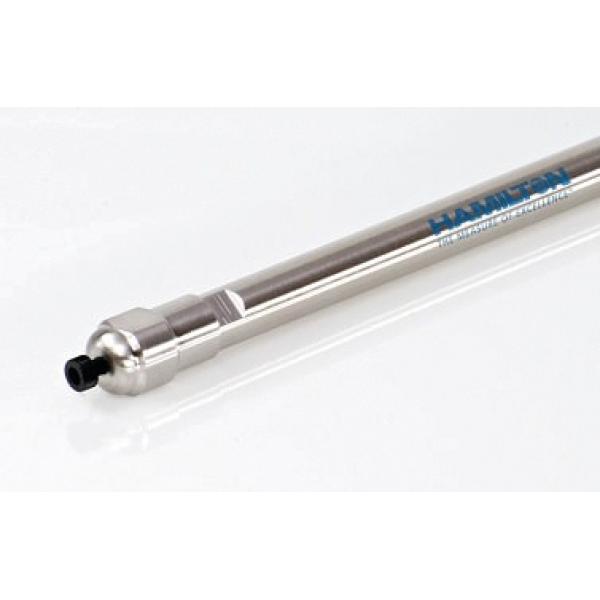
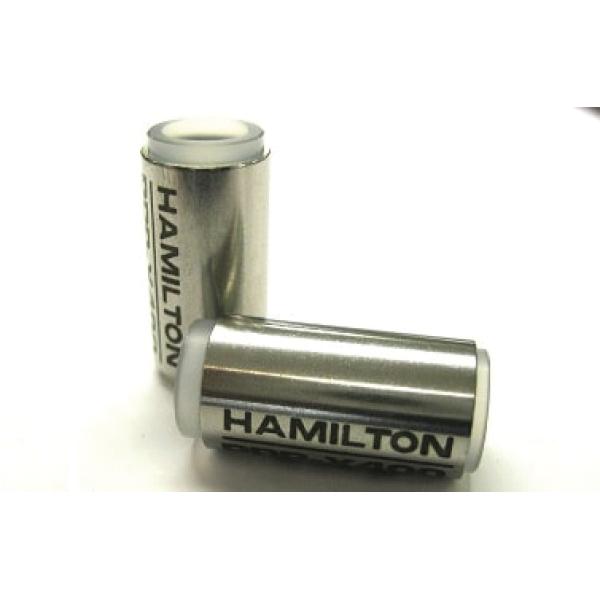
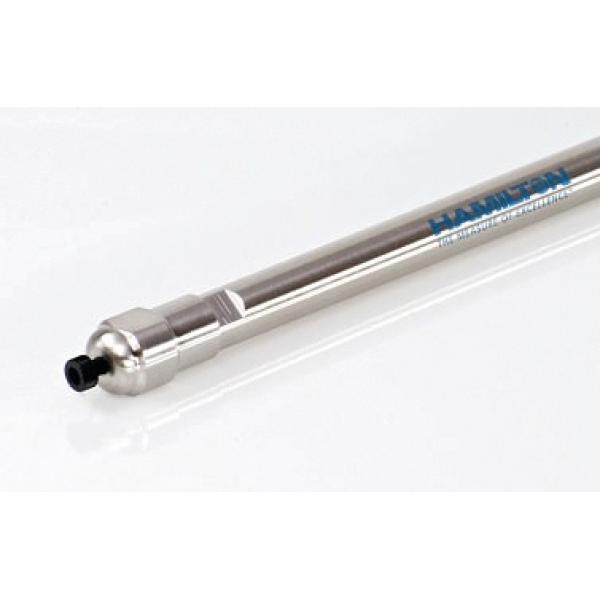
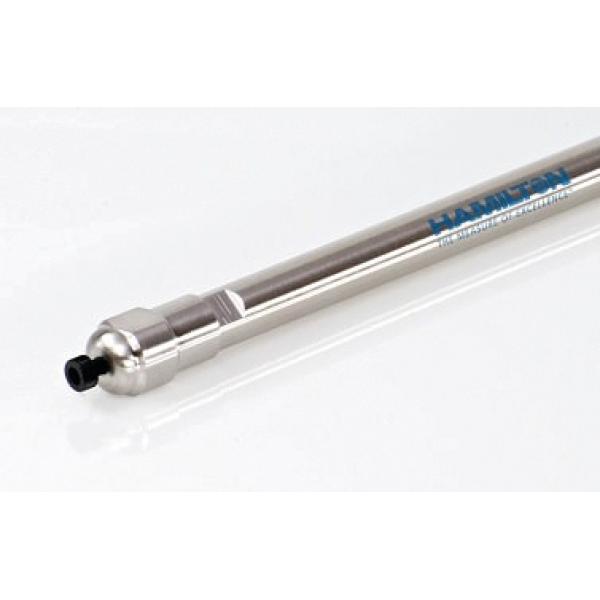

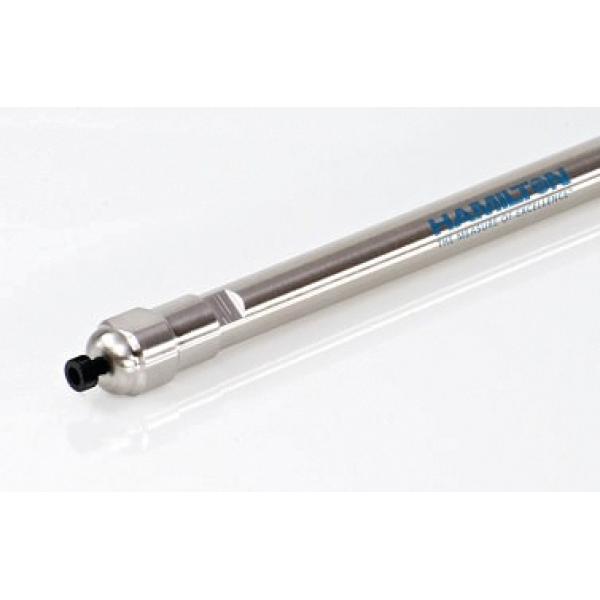
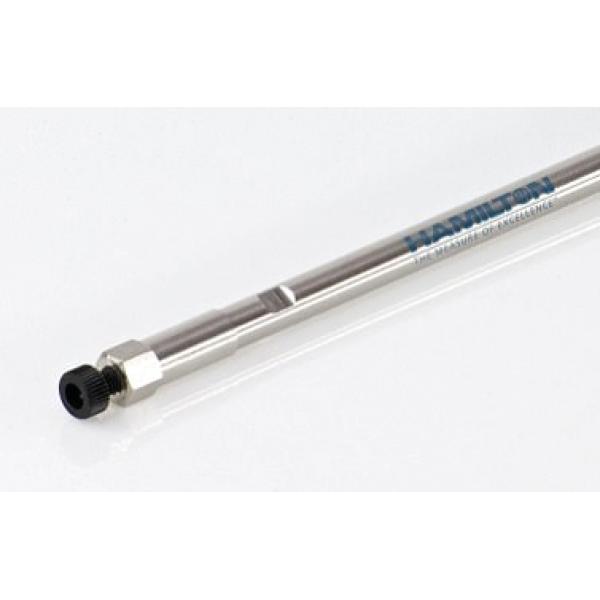
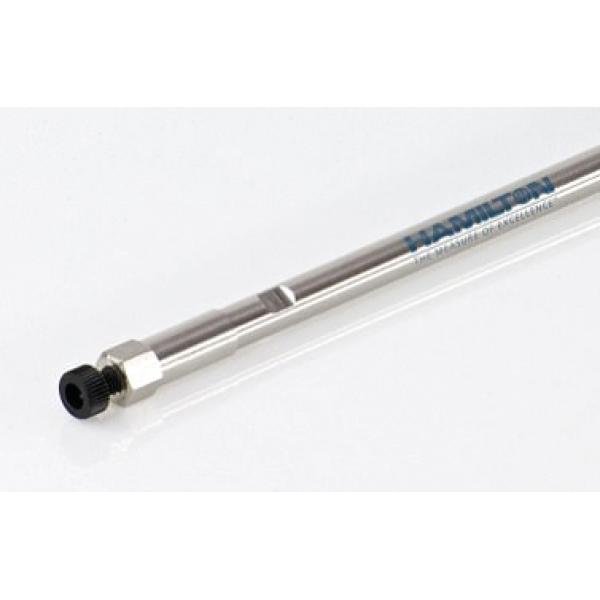
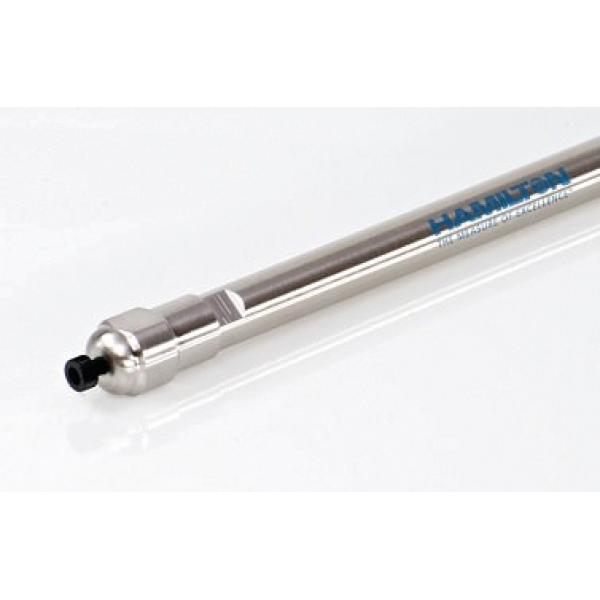
Carbohydrates may be separated by anion or cation exchange mechanism depending on the charge of the molecules under the chosen conditions. Optimised HAMILTON columns are available for both separation modes. Polymeric ion-exchange packing materials have been developed with the aim to fulfill the specific requirements of different carbohydrate applications. Moreover, high separation efficiency and extended lifetime are ensured by the well balanced properties of the resins. Alcohols and organic acids may be analysed in addition to the common carbohydrates. RCX Series - Anion Exchange - PSDVB particles functionalised with TMA, 100 Å pores. - NaOH mobile phase (pH 1 to 13). - Gradient and isocratic elution. - Conductivity, pulsed amperometric and RI detection. High and low exchange capacity for different separation problems: - RCX 10 - 700 meq / column (4.6 x 250 mm). - Mono- and disaccharides, sugar alcohols. - Optimised for oligosaccharide separation up to DP 8. - RCX 30 - 2000 meq / column (4.6 x 250 mm). - Mono- and disaccharides, glycols, glucosamines. - Specifically optimised for the separation of very complex or closely related carbohydrates. HC-75 - Cation Exchange and Size Exclusion - Soft gel columns with functionalised porous PSDVB packing particles, surface modified with sulfonate exchange groups. - Water as mobile phase, 0 to 40 % ACN. - Separation mechanism works acc. charge and size - even very closely related analytes are separated. - UV and RI detection. - Exchange capacity - 12000 meq / column (4.1 x 250 mm). Counterions determine the strength of separation - optimised columns for various analytes: - HC-75 - 7.5 % cross-linked gel. - Ca2+-type - mono- and disaccharides, sugar oligomers up to DP8 (USP L19). - Pb2+-type - sugar alcohols (USP L 34). - H+-type - organic acids (USP L17). Carbohydrates may be separated by anion or cation exchange mechanism depending on the charge of the molecules under the chosen conditions. Optimised HAMILTON columns are available for both separation modes. Polymeric ion-exchange packing materials have been developed with the aim to fulfill the specific requirements of different carbohydrate applications. Moreover, high separation efficiency and extended lifetime are ensured by the well balanced properties of the resins. Alcohols and organic acids may be analysed in addition to the common carbohydrates. RCX Series - Anion Exchange - PSDVB particles functionalised with TMA, 100 Å pores. - NaOH mobile phase (pH 1 to 13). - Gradient and isocratic elution. - Conductivity, pulsed amperometric and RI detection. High and low exchange capacity for different separation problems: - RCX 10 - 700 meq / column (4.6 x 250 mm). - Mono- and disaccharides, sugar alcohols. - Optimised for oligosaccharide separation up to DP 8. - RCX 30 - 2000 meq / column (4.6 x 250 mm). - Mono- and disaccharides, glycols, glucosamines. - Specifically optimised for the separation of very complex or closely related carbohydrates. HC-75 - Cation Exchange and Size Exclusion - Soft gel columns with functionalised porous PSDVB packing particles, surface modified with sulfonate exchange groups. - Water as mobile phase, 0 to 40 % ACN. - Separation mechanism works acc. charge and size - even very closely related analytes are separated. - UV and RI detection. - Exchange capacity - 12000 meq / column (4.1 x 250 mm). Counterions determine the strength of separation - optimised columns for various analytes: - HC-75 - 7.5 % cross-linked gel. - Ca2+-type - mono- and disaccharides, sugar oligomers up to DP8 (USP L19). - Pb2+-type - sugar alcohols (USP L 34). - H+-type - organic acids (USP L17).
Product Detail
Carbohydrates may be separated by anion or cation exchange mechanism depending on the charge of the molecules under the chosen conditions. Optimised HAMILTON columns are available for both separation modes. Polymeric ion-exchange packing materials have been developed with the aim to fulfill the specific requirements of different carbohydrate applications. Moreover, high separation efficiency and extended lifetime are ensured by the well balanced properties of the resins. Alcohols and organic acids may be analysed in addition to the common carbohydrates. RCX Series - Anion Exchange - PSDVB particles functionalised with TMA, 100 Å pores. - NaOH mobile phase (pH 1 to 13). - Gradient and isocratic elution. - Conductivity, pulsed amperometric and RI detection. High and low exchange capacity for different separation problems: - RCX 10 - 700 meq / column (4.6 x 250 mm). - Mono- and disaccharides, sugar alcohols. - Optimised for oligosaccharide separation up to DP 8. - RCX 30 - 2000 meq / column (4.6 x 250 mm). - Mono- and disaccharides, glycols, glucosamines. - Specifically optimised for the separation of very complex or closely related carbohydrates. HC-75 - Cation Exchange and Size Exclusion - Soft gel columns with functionalised porous PSDVB packing particles, surface modified with sulfonate exchange groups. - Water as mobile phase, 0 to 40 % ACN. - Separation mechanism works acc. charge and size - even very closely related analytes are separated. - UV and RI detection. - Exchange capacity - 12000 meq / column (4.1 x 250 mm). Counterions determine the strength of separation - optimised columns for various analytes: - HC-75 - 7.5 % cross-linked gel. - Ca2+-type - mono- and disaccharides, sugar oligomers up to DP8 (USP L19). - Pb2+-type - sugar alcohols (USP L 34). - H+-type - organic acids (USP L17). Carbohydrates may be separated by anion or cation exchange mechanism depending on the charge of the molecules under the chosen conditions. Optimised HAMILTON columns are available for both separation modes. Polymeric ion-exchange packing materials have been developed with the aim to fulfill the specific requirements of different carbohydrate applications. Moreover, high separation efficiency and extended lifetime are ensured by the well balanced properties of the resins. Alcohols and organic acids may be analysed in addition to the common carbohydrates. RCX Series - Anion Exchange - PSDVB particles functionalised with TMA, 100 Å pores. - NaOH mobile phase (pH 1 to 13). - Gradient and isocratic elution. - Conductivity, pulsed amperometric and RI detection. High and low exchange capacity for different separation problems: - RCX 10 - 700 meq / column (4.6 x 250 mm). - Mono- and disaccharides, sugar alcohols. - Optimised for oligosaccharide separation up to DP 8. - RCX 30 - 2000 meq / column (4.6 x 250 mm). - Mono- and disaccharides, glycols, glucosamines. - Specifically optimised for the separation of very complex or closely related carbohydrates. HC-75 - Cation Exchange and Size Exclusion - Soft gel columns with functionalised porous PSDVB packing particles, surface modified with sulfonate exchange groups. - Water as mobile phase, 0 to 40 % ACN. - Separation mechanism works acc. charge and size - even very closely related analytes are separated. - UV and RI detection. - Exchange capacity - 12000 meq / column (4.1 x 250 mm). Counterions determine the strength of separation - optimised columns for various analytes: - HC-75 - 7.5 % cross-linked gel. - Ca2+-type - mono- and disaccharides, sugar oligomers up to DP8 (USP L19). - Pb2+-type - sugar alcohols (USP L 34). - H+-type - organic acids (USP L17).
Product Detail
Carbohydrates may be separated by anion or cation exchange mechanism depending on the charge of the molecules under the chosen conditions. Optimised HAMILTON columns are available for both separation modes. Polymeric ion-exchange packing materials have been developed with the aim to fulfill the specific requirements of different carbohydrate applications. Moreover, high separation efficiency and extended lifetime are ensured by the well balanced properties of the resins. Alcohols and organic acids may be analysed in addition to the common carbohydrates. RCX Series - Anion Exchange - PSDVB particles functionalised with TMA, 100 Å pores. - NaOH mobile phase (pH 1 to 13). - Gradient and isocratic elution. - Conductivity, pulsed amperometric and RI detection. High and low exchange capacity for different separation problems: - RCX 10 - 700 meq / column (4.6 x 250 mm). - Mono- and disaccharides, sugar alcohols. - Optimised for oligosaccharide separation up to DP 8. - RCX 30 - 2000 meq / column (4.6 x 250 mm). - Mono- and disaccharides, glycols, glucosamines. - Specifically optimised for the separation of very complex or closely related carbohydrates. HC-75 - Cation Exchange and Size Exclusion - Soft gel columns with functionalised porous PSDVB packing particles, surface modified with sulfonate exchange groups. - Water as mobile phase, 0 to 40 % ACN. - Separation mechanism works acc. charge and size - even very closely related analytes are separated. - UV and RI detection. - Exchange capacity - 12000 meq / column (4.1 x 250 mm). Counterions determine the strength of separation - optimised columns for various analytes: - HC-75 - 7.5 % cross-linked gel. - Ca2+-type - mono- and disaccharides, sugar oligomers up to DP8 (USP L19). - Pb2+-type - sugar alcohols (USP L 34). - H+-type - organic acids (USP L17). Carbohydrates may be separated by anion or cation exchange mechanism depending on the charge of the molecules under the chosen conditions. Optimised HAMILTON columns are available for both separation modes. Polymeric ion-exchange packing materials have been developed with the aim to fulfill the specific requirements of different carbohydrate applications. Moreover, high separation efficiency and extended lifetime are ensured by the well balanced properties of the resins. Alcohols and organic acids may be analysed in addition to the common carbohydrates. RCX Series - Anion Exchange - PSDVB particles functionalised with TMA, 100 Å pores. - NaOH mobile phase (pH 1 to 13). - Gradient and isocratic elution. - Conductivity, pulsed amperometric and RI detection. High and low exchange capacity for different separation problems: - RCX 10 - 700 meq / column (4.6 x 250 mm). - Mono- and disaccharides, sugar alcohols. - Optimised for oligosaccharide separation up to DP 8. - RCX 30 - 2000 meq / column (4.6 x 250 mm). - Mono- and disaccharides, glycols, glucosamines. - Specifically optimised for the separation of very complex or closely related carbohydrates. HC-75 - Cation Exchange and Size Exclusion - Soft gel columns with functionalised porous PSDVB packing particles, surface modified with sulfonate exchange groups. - Water as mobile phase, 0 to 40 % ACN. - Separation mechanism works acc. charge and size - even very closely related analytes are separated. - UV and RI detection. - Exchange capacity - 12000 meq / column (4.1 x 250 mm). Counterions determine the strength of separation - optimised columns for various analytes: - HC-75 - 7.5 % cross-linked gel. - Ca2+-type - mono- and disaccharides, sugar oligomers up to DP8 (USP L19). - Pb2+-type - sugar alcohols (USP L 34). - H+-type - organic acids (USP L17).
Product Detail
Carbohydrates may be separated by anion or cation exchange mechanism depending on the charge of the molecules under the chosen conditions. Optimised HAMILTON columns are available for both separation modes. Polymeric ion-exchange packing materials have been developed with the aim to fulfill the specific requirements of different carbohydrate applications. Moreover, high separation efficiency and extended lifetime are ensured by the well balanced properties of the resins. Alcohols and organic acids may be analysed in addition to the common carbohydrates. RCX Series - Anion Exchange - PSDVB particles functionalised with TMA, 100 Å pores. - NaOH mobile phase (pH 1 to 13). - Gradient and isocratic elution. - Conductivity, pulsed amperometric and RI detection. High and low exchange capacity for different separation problems: - RCX 10 - 700 meq / column (4.6 x 250 mm). - Mono- and disaccharides, sugar alcohols. - Optimised for oligosaccharide separation up to DP 8. - RCX 30 - 2000 meq / column (4.6 x 250 mm). - Mono- and disaccharides, glycols, glucosamines. - Specifically optimised for the separation of very complex or closely related carbohydrates. HC-75 - Cation Exchange and Size Exclusion - Soft gel columns with functionalised porous PSDVB packing particles, surface modified with sulfonate exchange groups. - Water as mobile phase, 0 to 40 % ACN. - Separation mechanism works acc. charge and size - even very closely related analytes are separated. - UV and RI detection. - Exchange capacity - 12000 meq / column (4.1 x 250 mm). Counterions determine the strength of separation - optimised columns for various analytes: - HC-75 - 7.5 % cross-linked gel. - Ca2+-type - mono- and disaccharides, sugar oligomers up to DP8 (USP L19). - Pb2+-type - sugar alcohols (USP L 34). - H+-type - organic acids (USP L17). Carbohydrates may be separated by anion or cation exchange mechanism depending on the charge of the molecules under the chosen conditions. Optimised HAMILTON columns are available for both separation modes. Polymeric ion-exchange packing materials have been developed with the aim to fulfill the specific requirements of different carbohydrate applications. Moreover, high separation efficiency and extended lifetime are ensured by the well balanced properties of the resins. Alcohols and organic acids may be analysed in addition to the common carbohydrates. RCX Series - Anion Exchange - PSDVB particles functionalised with TMA, 100 Å pores. - NaOH mobile phase (pH 1 to 13). - Gradient and isocratic elution. - Conductivity, pulsed amperometric and RI detection. High and low exchange capacity for different separation problems: - RCX 10 - 700 meq / column (4.6 x 250 mm). - Mono- and disaccharides, sugar alcohols. - Optimised for oligosaccharide separation up to DP 8. - RCX 30 - 2000 meq / column (4.6 x 250 mm). - Mono- and disaccharides, glycols, glucosamines. - Specifically optimised for the separation of very complex or closely related carbohydrates. HC-75 - Cation Exchange and Size Exclusion - Soft gel columns with functionalised porous PSDVB packing particles, surface modified with sulfonate exchange groups. - Water as mobile phase, 0 to 40 % ACN. - Separation mechanism works acc. charge and size - even very closely related analytes are separated. - UV and RI detection. - Exchange capacity - 12000 meq / column (4.1 x 250 mm). Counterions determine the strength of separation - optimised columns for various analytes: - HC-75 - 7.5 % cross-linked gel. - Ca2+-type - mono- and disaccharides, sugar oligomers up to DP8 (USP L19). - Pb2+-type - sugar alcohols (USP L 34). - H+-type - organic acids (USP L17).
Product Detail
Carbohydrates may be separated by anion or cation exchange mechanism depending on the charge of the molecules under the chosen conditions. Optimised HAMILTON columns are available for both separation modes. Polymeric ion-exchange packing materials have been developed with the aim to fulfill the specific requirements of different carbohydrate applications. Moreover, high separation efficiency and extended lifetime are ensured by the well balanced properties of the resins. Alcohols and organic acids may be analysed in addition to the common carbohydrates. RCX Series - Anion Exchange - PSDVB particles functionalised with TMA, 100 Å pores. - NaOH mobile phase (pH 1 to 13). - Gradient and isocratic elution. - Conductivity, pulsed amperometric and RI detection. High and low exchange capacity for different separation problems: - RCX 10 - 700 meq / column (4.6 x 250 mm). - Mono- and disaccharides, sugar alcohols. - Optimised for oligosaccharide separation up to DP 8. - RCX 30 - 2000 meq / column (4.6 x 250 mm). - Mono- and disaccharides, glycols, glucosamines. - Specifically optimised for the separation of very complex or closely related carbohydrates. HC-75 - Cation Exchange and Size Exclusion - Soft gel columns with functionalised porous PSDVB packing particles, surface modified with sulfonate exchange groups. - Water as mobile phase, 0 to 40 % ACN. - Separation mechanism works acc. charge and size - even very closely related analytes are separated. - UV and RI detection. - Exchange capacity - 12000 meq / column (4.1 x 250 mm). Counterions determine the strength of separation - optimised columns for various analytes: - HC-75 - 7.5 % cross-linked gel. - Ca2+-type - mono- and disaccharides, sugar oligomers up to DP8 (USP L19). - Pb2+-type - sugar alcohols (USP L 34). - H+-type - organic acids (USP L17). Carbohydrates may be separated by anion or cation exchange mechanism depending on the charge of the molecules under the chosen conditions. Optimised HAMILTON columns are available for both separation modes. Polymeric ion-exchange packing materials have been developed with the aim to fulfill the specific requirements of different carbohydrate applications. Moreover, high separation efficiency and extended lifetime are ensured by the well balanced properties of the resins. Alcohols and organic acids may be analysed in addition to the common carbohydrates. RCX Series - Anion Exchange - PSDVB particles functionalised with TMA, 100 Å pores. - NaOH mobile phase (pH 1 to 13). - Gradient and isocratic elution. - Conductivity, pulsed amperometric and RI detection. High and low exchange capacity for different separation problems: - RCX 10 - 700 meq / column (4.6 x 250 mm). - Mono- and disaccharides, sugar alcohols. - Optimised for oligosaccharide separation up to DP 8. - RCX 30 - 2000 meq / column (4.6 x 250 mm). - Mono- and disaccharides, glycols, glucosamines. - Specifically optimised for the separation of very complex or closely related carbohydrates. HC-75 - Cation Exchange and Size Exclusion - Soft gel columns with functionalised porous PSDVB packing particles, surface modified with sulfonate exchange groups. - Water as mobile phase, 0 to 40 % ACN. - Separation mechanism works acc. charge and size - even very closely related analytes are separated. - UV and RI detection. - Exchange capacity - 12000 meq / column (4.1 x 250 mm). Counterions determine the strength of separation - optimised columns for various analytes: - HC-75 - 7.5 % cross-linked gel. - Ca2+-type - mono- and disaccharides, sugar oligomers up to DP8 (USP L19). - Pb2+-type - sugar alcohols (USP L 34). - H+-type - organic acids (USP L17).
Product Detail
Carbohydrates may be separated by anion or cation exchange mechanism depending on the charge of the molecules under the chosen conditions. Optimised HAMILTON columns are available for both separation modes. Polymeric ion-exchange packing materials have been developed with the aim to fulfill the specific requirements of different carbohydrate applications. Moreover, high separation efficiency and extended lifetime are ensured by the well balanced properties of the resins. Alcohols and organic acids may be analysed in addition to the common carbohydrates. RCX Series - Anion Exchange - PSDVB particles functionalised with TMA, 100 Å pores. - NaOH mobile phase (pH 1 to 13). - Gradient and isocratic elution. - Conductivity, pulsed amperometric and RI detection. High and low exchange capacity for different separation problems: - RCX 10 - 700 meq / column (4.6 x 250 mm). - Mono- and disaccharides, sugar alcohols. - Optimised for oligosaccharide separation up to DP 8. - RCX 30 - 2000 meq / column (4.6 x 250 mm). - Mono- and disaccharides, glycols, glucosamines. - Specifically optimised for the separation of very complex or closely related carbohydrates. HC-75 - Cation Exchange and Size Exclusion - Soft gel columns with functionalised porous PSDVB packing particles, surface modified with sulfonate exchange groups. - Water as mobile phase, 0 to 40 % ACN. - Separation mechanism works acc. charge and size - even very closely related analytes are separated. - UV and RI detection. - Exchange capacity - 12000 meq / column (4.1 x 250 mm). Counterions determine the strength of separation - optimised columns for various analytes: - HC-75 - 7.5 % cross-linked gel. - Ca2+-type - mono- and disaccharides, sugar oligomers up to DP8 (USP L19). - Pb2+-type - sugar alcohols (USP L 34). - H+-type - organic acids (USP L17). Carbohydrates may be separated by anion or cation exchange mechanism depending on the charge of the molecules under the chosen conditions. Optimised HAMILTON columns are available for both separation modes. Polymeric ion-exchange packing materials have been developed with the aim to fulfill the specific requirements of different carbohydrate applications. Moreover, high separation efficiency and extended lifetime are ensured by the well balanced properties of the resins. Alcohols and organic acids may be analysed in addition to the common carbohydrates. RCX Series - Anion Exchange - PSDVB particles functionalised with TMA, 100 Å pores. - NaOH mobile phase (pH 1 to 13). - Gradient and isocratic elution. - Conductivity, pulsed amperometric and RI detection. High and low exchange capacity for different separation problems: - RCX 10 - 700 meq / column (4.6 x 250 mm). - Mono- and disaccharides, sugar alcohols. - Optimised for oligosaccharide separation up to DP 8. - RCX 30 - 2000 meq / column (4.6 x 250 mm). - Mono- and disaccharides, glycols, glucosamines. - Specifically optimised for the separation of very complex or closely related carbohydrates. HC-75 - Cation Exchange and Size Exclusion - Soft gel columns with functionalised porous PSDVB packing particles, surface modified with sulfonate exchange groups. - Water as mobile phase, 0 to 40 % ACN. - Separation mechanism works acc. charge and size - even very closely related analytes are separated. - UV and RI detection. - Exchange capacity - 12000 meq / column (4.1 x 250 mm). Counterions determine the strength of separation - optimised columns for various analytes: - HC-75 - 7.5 % cross-linked gel. - Ca2+-type - mono- and disaccharides, sugar oligomers up to DP8 (USP L19). - Pb2+-type - sugar alcohols (USP L 34). - H+-type - organic acids (USP L17).
Product Detail
Carbohydrates may be separated by anion or cation exchange mechanism depending on the charge of the molecules under the chosen conditions. Optimised HAMILTON columns are available for both separation modes. Polymeric ion-exchange packing materials have been developed with the aim to fulfill the specific requirements of different carbohydrate applications. Moreover, high separation efficiency and extended lifetime are ensured by the well balanced properties of the resins. Alcohols and organic acids may be analysed in addition to the common carbohydrates. RCX Series - Anion Exchange - PSDVB particles functionalised with TMA, 100 Å pores. - NaOH mobile phase (pH 1 to 13). - Gradient and isocratic elution. - Conductivity, pulsed amperometric and RI detection. High and low exchange capacity for different separation problems: - RCX 10 - 700 meq / column (4.6 x 250 mm). - Mono- and disaccharides, sugar alcohols. - Optimised for oligosaccharide separation up to DP 8. - RCX 30 - 2000 meq / column (4.6 x 250 mm). - Mono- and disaccharides, glycols, glucosamines. - Specifically optimised for the separation of very complex or closely related carbohydrates. HC-75 - Cation Exchange and Size Exclusion - Soft gel columns with functionalised porous PSDVB packing particles, surface modified with sulfonate exchange groups. - Water as mobile phase, 0 to 40 % ACN. - Separation mechanism works acc. charge and size - even very closely related analytes are separated. - UV and RI detection. - Exchange capacity - 12000 meq / column (4.1 x 250 mm). Counterions determine the strength of separation - optimised columns for various analytes: - HC-75 - 7.5 % cross-linked gel. - Ca2+-type - mono- and disaccharides, sugar oligomers up to DP8 (USP L19). - Pb2+-type - sugar alcohols (USP L 34). - H+-type - organic acids (USP L17). Carbohydrates may be separated by anion or cation exchange mechanism depending on the charge of the molecules under the chosen conditions. Optimised HAMILTON columns are available for both separation modes. Polymeric ion-exchange packing materials have been developed with the aim to fulfill the specific requirements of different carbohydrate applications. Moreover, high separation efficiency and extended lifetime are ensured by the well balanced properties of the resins. Alcohols and organic acids may be analysed in addition to the common carbohydrates. RCX Series - Anion Exchange - PSDVB particles functionalised with TMA, 100 Å pores. - NaOH mobile phase (pH 1 to 13). - Gradient and isocratic elution. - Conductivity, pulsed amperometric and RI detection. High and low exchange capacity for different separation problems: - RCX 10 - 700 meq / column (4.6 x 250 mm). - Mono- and disaccharides, sugar alcohols. - Optimised for oligosaccharide separation up to DP 8. - RCX 30 - 2000 meq / column (4.6 x 250 mm). - Mono- and disaccharides, glycols, glucosamines. - Specifically optimised for the separation of very complex or closely related carbohydrates. HC-75 - Cation Exchange and Size Exclusion - Soft gel columns with functionalised porous PSDVB packing particles, surface modified with sulfonate exchange groups. - Water as mobile phase, 0 to 40 % ACN. - Separation mechanism works acc. charge and size - even very closely related analytes are separated. - UV and RI detection. - Exchange capacity - 12000 meq / column (4.1 x 250 mm). Counterions determine the strength of separation - optimised columns for various analytes: - HC-75 - 7.5 % cross-linked gel. - Ca2+-type - mono- and disaccharides, sugar oligomers up to DP8 (USP L19). - Pb2+-type - sugar alcohols (USP L 34). - H+-type - organic acids (USP L17).
Product Detail
Carbohydrates may be separated by anion or cation exchange mechanism depending on the charge of the molecules under the chosen conditions. Optimised HAMILTON columns are available for both separation modes. Polymeric ion-exchange packing materials have been developed with the aim to fulfill the specific requirements of different carbohydrate applications. Moreover, high separation efficiency and extended lifetime are ensured by the well balanced properties of the resins. Alcohols and organic acids may be analysed in addition to the common carbohydrates. RCX Series - Anion Exchange - PSDVB particles functionalised with TMA, 100 Å pores. - NaOH mobile phase (pH 1 to 13). - Gradient and isocratic elution. - Conductivity, pulsed amperometric and RI detection. High and low exchange capacity for different separation problems: - RCX 10 - 700 meq / column (4.6 x 250 mm). - Mono- and disaccharides, sugar alcohols. - Optimised for oligosaccharide separation up to DP 8. - RCX 30 - 2000 meq / column (4.6 x 250 mm). - Mono- and disaccharides, glycols, glucosamines. - Specifically optimised for the separation of very complex or closely related carbohydrates. HC-75 - Cation Exchange and Size Exclusion - Soft gel columns with functionalised porous PSDVB packing particles, surface modified with sulfonate exchange groups. - Water as mobile phase, 0 to 40 % ACN. - Separation mechanism works acc. charge and size - even very closely related analytes are separated. - UV and RI detection. - Exchange capacity - 12000 meq / column (4.1 x 250 mm). Counterions determine the strength of separation - optimised columns for various analytes: - HC-75 - 7.5 % cross-linked gel. - Ca2+-type - mono- and disaccharides, sugar oligomers up to DP8 (USP L19). - Pb2+-type - sugar alcohols (USP L 34). - H+-type - organic acids (USP L17). Carbohydrates may be separated by anion or cation exchange mechanism depending on the charge of the molecules under the chosen conditions. Optimised HAMILTON columns are available for both separation modes. Polymeric ion-exchange packing materials have been developed with the aim to fulfill the specific requirements of different carbohydrate applications. Moreover, high separation efficiency and extended lifetime are ensured by the well balanced properties of the resins. Alcohols and organic acids may be analysed in addition to the common carbohydrates. RCX Series - Anion Exchange - PSDVB particles functionalised with TMA, 100 Å pores. - NaOH mobile phase (pH 1 to 13). - Gradient and isocratic elution. - Conductivity, pulsed amperometric and RI detection. High and low exchange capacity for different separation problems: - RCX 10 - 700 meq / column (4.6 x 250 mm). - Mono- and disaccharides, sugar alcohols. - Optimised for oligosaccharide separation up to DP 8. - RCX 30 - 2000 meq / column (4.6 x 250 mm). - Mono- and disaccharides, glycols, glucosamines. - Specifically optimised for the separation of very complex or closely related carbohydrates. HC-75 - Cation Exchange and Size Exclusion - Soft gel columns with functionalised porous PSDVB packing particles, surface modified with sulfonate exchange groups. - Water as mobile phase, 0 to 40 % ACN. - Separation mechanism works acc. charge and size - even very closely related analytes are separated. - UV and RI detection. - Exchange capacity - 12000 meq / column (4.1 x 250 mm). Counterions determine the strength of separation - optimised columns for various analytes: - HC-75 - 7.5 % cross-linked gel. - Ca2+-type - mono- and disaccharides, sugar oligomers up to DP8 (USP L19). - Pb2+-type - sugar alcohols (USP L 34). - H+-type - organic acids (USP L17).
Product Detail
Carbohydrates may be separated by anion or cation exchange mechanism depending on the charge of the molecules under the chosen conditions. Optimised HAMILTON columns are available for both separation modes. Polymeric ion-exchange packing materials have been developed with the aim to fulfill the specific requirements of different carbohydrate applications. Moreover, high separation efficiency and extended lifetime are ensured by the well balanced properties of the resins. Alcohols and organic acids may be analysed in addition to the common carbohydrates. RCX Series - Anion Exchange - PSDVB particles functionalised with TMA, 100 Å pores. - NaOH mobile phase (pH 1 to 13). - Gradient and isocratic elution. - Conductivity, pulsed amperometric and RI detection. High and low exchange capacity for different separation problems: - RCX 10 - 700 meq / column (4.6 x 250 mm). - Mono- and disaccharides, sugar alcohols. - Optimised for oligosaccharide separation up to DP 8. - RCX 30 - 2000 meq / column (4.6 x 250 mm). - Mono- and disaccharides, glycols, glucosamines. - Specifically optimised for the separation of very complex or closely related carbohydrates. HC-75 - Cation Exchange and Size Exclusion - Soft gel columns with functionalised porous PSDVB packing particles, surface modified with sulfonate exchange groups. - Water as mobile phase, 0 to 40 % ACN. - Separation mechanism works acc. charge and size - even very closely related analytes are separated. - UV and RI detection. - Exchange capacity - 12000 meq / column (4.1 x 250 mm). Counterions determine the strength of separation - optimised columns for various analytes: - HC-75 - 7.5 % cross-linked gel. - Ca2+-type - mono- and disaccharides, sugar oligomers up to DP8 (USP L19). - Pb2+-type - sugar alcohols (USP L 34). - H+-type - organic acids (USP L17). Carbohydrates may be separated by anion or cation exchange mechanism depending on the charge of the molecules under the chosen conditions. Optimised HAMILTON columns are available for both separation modes. Polymeric ion-exchange packing materials have been developed with the aim to fulfill the specific requirements of different carbohydrate applications. Moreover, high separation efficiency and extended lifetime are ensured by the well balanced properties of the resins. Alcohols and organic acids may be analysed in addition to the common carbohydrates. RCX Series - Anion Exchange - PSDVB particles functionalised with TMA, 100 Å pores. - NaOH mobile phase (pH 1 to 13). - Gradient and isocratic elution. - Conductivity, pulsed amperometric and RI detection. High and low exchange capacity for different separation problems: - RCX 10 - 700 meq / column (4.6 x 250 mm). - Mono- and disaccharides, sugar alcohols. - Optimised for oligosaccharide separation up to DP 8. - RCX 30 - 2000 meq / column (4.6 x 250 mm). - Mono- and disaccharides, glycols, glucosamines. - Specifically optimised for the separation of very complex or closely related carbohydrates. HC-75 - Cation Exchange and Size Exclusion - Soft gel columns with functionalised porous PSDVB packing particles, surface modified with sulfonate exchange groups. - Water as mobile phase, 0 to 40 % ACN. - Separation mechanism works acc. charge and size - even very closely related analytes are separated. - UV and RI detection. - Exchange capacity - 12000 meq / column (4.1 x 250 mm). Counterions determine the strength of separation - optimised columns for various analytes: - HC-75 - 7.5 % cross-linked gel. - Ca2+-type - mono- and disaccharides, sugar oligomers up to DP8 (USP L19). - Pb2+-type - sugar alcohols (USP L 34). - H+-type - organic acids (USP L17).
Product Detail
Carbohydrates may be separated by anion or cation exchange mechanism depending on the charge of the molecules under the chosen conditions. Optimised HAMILTON columns are available for both separation modes. Polymeric ion-exchange packing materials have been developed with the aim to fulfill the specific requirements of different carbohydrate applications. Moreover, high separation efficiency and extended lifetime are ensured by the well balanced properties of the resins. Alcohols and organic acids may be analysed in addition to the common carbohydrates. RCX Series - Anion Exchange - PSDVB particles functionalised with TMA, 100 Å pores. - NaOH mobile phase (pH 1 to 13). - Gradient and isocratic elution. - Conductivity, pulsed amperometric and RI detection. High and low exchange capacity for different separation problems: - RCX 10 - 700 meq / column (4.6 x 250 mm). - Mono- and disaccharides, sugar alcohols. - Optimised for oligosaccharide separation up to DP 8. - RCX 30 - 2000 meq / column (4.6 x 250 mm). - Mono- and disaccharides, glycols, glucosamines. - Specifically optimised for the separation of very complex or closely related carbohydrates. HC-75 - Cation Exchange and Size Exclusion - Soft gel columns with functionalised porous PSDVB packing particles, surface modified with sulfonate exchange groups. - Water as mobile phase, 0 to 40 % ACN. - Separation mechanism works acc. charge and size - even very closely related analytes are separated. - UV and RI detection. - Exchange capacity - 12000 meq / column (4.1 x 250 mm). Counterions determine the strength of separation - optimised columns for various analytes: - HC-75 - 7.5 % cross-linked gel. - Ca2+-type - mono- and disaccharides, sugar oligomers up to DP8 (USP L19). - Pb2+-type - sugar alcohols (USP L 34). - H+-type - organic acids (USP L17). Carbohydrates may be separated by anion or cation exchange mechanism depending on the charge of the molecules under the chosen conditions. Optimised HAMILTON columns are available for both separation modes. Polymeric ion-exchange packing materials have been developed with the aim to fulfill the specific requirements of different carbohydrate applications. Moreover, high separation efficiency and extended lifetime are ensured by the well balanced properties of the resins. Alcohols and organic acids may be analysed in addition to the common carbohydrates. RCX Series - Anion Exchange - PSDVB particles functionalised with TMA, 100 Å pores. - NaOH mobile phase (pH 1 to 13). - Gradient and isocratic elution. - Conductivity, pulsed amperometric and RI detection. High and low exchange capacity for different separation problems: - RCX 10 - 700 meq / column (4.6 x 250 mm). - Mono- and disaccharides, sugar alcohols. - Optimised for oligosaccharide separation up to DP 8. - RCX 30 - 2000 meq / column (4.6 x 250 mm). - Mono- and disaccharides, glycols, glucosamines. - Specifically optimised for the separation of very complex or closely related carbohydrates. HC-75 - Cation Exchange and Size Exclusion - Soft gel columns with functionalised porous PSDVB packing particles, surface modified with sulfonate exchange groups. - Water as mobile phase, 0 to 40 % ACN. - Separation mechanism works acc. charge and size - even very closely related analytes are separated. - UV and RI detection. - Exchange capacity - 12000 meq / column (4.1 x 250 mm). Counterions determine the strength of separation - optimised columns for various analytes: - HC-75 - 7.5 % cross-linked gel. - Ca2+-type - mono- and disaccharides, sugar oligomers up to DP8 (USP L19). - Pb2+-type - sugar alcohols (USP L 34). - H+-type - organic acids (USP L17).
Product Detail
Carbohydrates may be separated by anion or cation exchange mechanism depending on the charge of the molecules under the chosen conditions. Optimised HAMILTON columns are available for both separation modes. Polymeric ion-exchange packing materials have been developed with the aim to fulfill the specific requirements of different carbohydrate applications. Moreover, high separation efficiency and extended lifetime are ensured by the well balanced properties of the resins. Alcohols and organic acids may be analysed in addition to the common carbohydrates. RCX Series - Anion Exchange - PSDVB particles functionalised with TMA, 100 Å pores. - NaOH mobile phase (pH 1 to 13). - Gradient and isocratic elution. - Conductivity, pulsed amperometric and RI detection. High and low exchange capacity for different separation problems: - RCX 10 - 700 meq / column (4.6 x 250 mm). - Mono- and disaccharides, sugar alcohols. - Optimised for oligosaccharide separation up to DP 8. - RCX 30 - 2000 meq / column (4.6 x 250 mm). - Mono- and disaccharides, glycols, glucosamines. - Specifically optimised for the separation of very complex or closely related carbohydrates. HC-75 - Cation Exchange and Size Exclusion - Soft gel columns with functionalised porous PSDVB packing particles, surface modified with sulfonate exchange groups. - Water as mobile phase, 0 to 40 % ACN. - Separation mechanism works acc. charge and size - even very closely related analytes are separated. - UV and RI detection. - Exchange capacity - 12000 meq / column (4.1 x 250 mm). Counterions determine the strength of separation - optimised columns for various analytes: - HC-75 - 7.5 % cross-linked gel. - Ca2+-type - mono- and disaccharides, sugar oligomers up to DP8 (USP L19). - Pb2+-type - sugar alcohols (USP L 34). - H+-type - organic acids (USP L17). Carbohydrates may be separated by anion or cation exchange mechanism depending on the charge of the molecules under the chosen conditions. Optimised HAMILTON columns are available for both separation modes. Polymeric ion-exchange packing materials have been developed with the aim to fulfill the specific requirements of different carbohydrate applications. Moreover, high separation efficiency and extended lifetime are ensured by the well balanced properties of the resins. Alcohols and organic acids may be analysed in addition to the common carbohydrates. RCX Series - Anion Exchange - PSDVB particles functionalised with TMA, 100 Å pores. - NaOH mobile phase (pH 1 to 13). - Gradient and isocratic elution. - Conductivity, pulsed amperometric and RI detection. High and low exchange capacity for different separation problems: - RCX 10 - 700 meq / column (4.6 x 250 mm). - Mono- and disaccharides, sugar alcohols. - Optimised for oligosaccharide separation up to DP 8. - RCX 30 - 2000 meq / column (4.6 x 250 mm). - Mono- and disaccharides, glycols, glucosamines. - Specifically optimised for the separation of very complex or closely related carbohydrates. HC-75 - Cation Exchange and Size Exclusion - Soft gel columns with functionalised porous PSDVB packing particles, surface modified with sulfonate exchange groups. - Water as mobile phase, 0 to 40 % ACN. - Separation mechanism works acc. charge and size - even very closely related analytes are separated. - UV and RI detection. - Exchange capacity - 12000 meq / column (4.1 x 250 mm). Counterions determine the strength of separation - optimised columns for various analytes: - HC-75 - 7.5 % cross-linked gel. - Ca2+-type - mono- and disaccharides, sugar oligomers up to DP8 (USP L19). - Pb2+-type - sugar alcohols (USP L 34). - H+-type - organic acids (USP L17).
Product Detail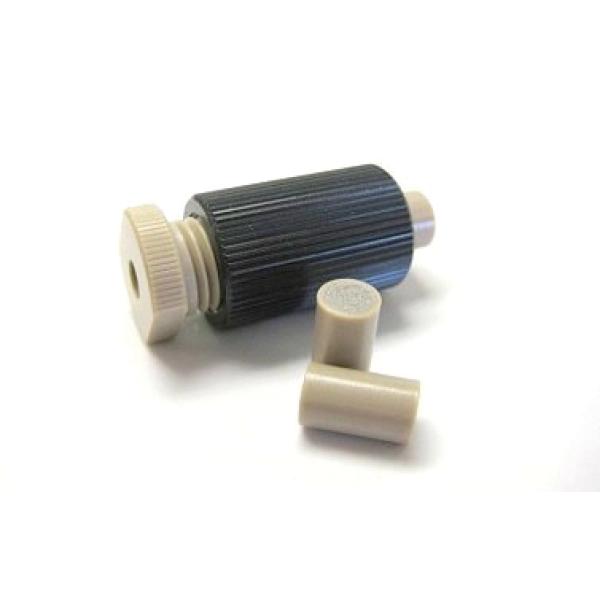
Carbohydrates may be separated by anion or cation exchange mechanism depending on the charge of the molecules under the chosen conditions. Optimised HAMILTON columns are available for both separation modes. Polymeric ion-exchange packing materials have been developed with the aim to fulfill the specific requirements of different carbohydrate applications. Moreover, high separation efficiency and extended lifetime are ensured by the well balanced properties of the resins. Alcohols and organic acids may be analysed in addition to the common carbohydrates. RCX Series - Anion Exchange - PSDVB particles functionalised with TMA, 100 Å pores. - NaOH mobile phase (pH 1 to 13). - Gradient and isocratic elution. - Conductivity, pulsed amperometric and RI detection. High and low exchange capacity for different separation problems: - RCX 10 - 700 meq / column (4.6 x 250 mm). - Mono- and disaccharides, sugar alcohols. - Optimised for oligosaccharide separation up to DP 8. - RCX 30 - 2000 meq / column (4.6 x 250 mm). - Mono- and disaccharides, glycols, glucosamines. - Specifically optimised for the separation of very complex or closely related carbohydrates. HC-75 - Cation Exchange and Size Exclusion - Soft gel columns with functionalised porous PSDVB packing particles, surface modified with sulfonate exchange groups. - Water as mobile phase, 0 to 40 % ACN. - Separation mechanism works acc. charge and size - even very closely related analytes are separated. - UV and RI detection. - Exchange capacity - 12000 meq / column (4.1 x 250 mm). Counterions determine the strength of separation - optimised columns for various analytes: - HC-75 - 7.5 % cross-linked gel. - Ca2+-type - mono- and disaccharides, sugar oligomers up to DP8 (USP L19). - Pb2+-type - sugar alcohols (USP L 34). - H+-type - organic acids (USP L17). Carbohydrates may be separated by anion or cation exchange mechanism depending on the charge of the molecules under the chosen conditions. Optimised HAMILTON columns are available for both separation modes. Polymeric ion-exchange packing materials have been developed with the aim to fulfill the specific requirements of different carbohydrate applications. Moreover, high separation efficiency and extended lifetime are ensured by the well balanced properties of the resins. Alcohols and organic acids may be analysed in addition to the common carbohydrates. RCX Series - Anion Exchange - PSDVB particles functionalised with TMA, 100 Å pores. - NaOH mobile phase (pH 1 to 13). - Gradient and isocratic elution. - Conductivity, pulsed amperometric and RI detection. High and low exchange capacity for different separation problems: - RCX 10 - 700 meq / column (4.6 x 250 mm). - Mono- and disaccharides, sugar alcohols. - Optimised for oligosaccharide separation up to DP 8. - RCX 30 - 2000 meq / column (4.6 x 250 mm). - Mono- and disaccharides, glycols, glucosamines. - Specifically optimised for the separation of very complex or closely related carbohydrates. HC-75 - Cation Exchange and Size Exclusion - Soft gel columns with functionalised porous PSDVB packing particles, surface modified with sulfonate exchange groups. - Water as mobile phase, 0 to 40 % ACN. - Separation mechanism works acc. charge and size - even very closely related analytes are separated. - UV and RI detection. - Exchange capacity - 12000 meq / column (4.1 x 250 mm). Counterions determine the strength of separation - optimised columns for various analytes: - HC-75 - 7.5 % cross-linked gel. - Ca2+-type - mono- and disaccharides, sugar oligomers up to DP8 (USP L19). - Pb2+-type - sugar alcohols (USP L 34). - H+-type - organic acids (USP L17).
Product Detail© 2026 Copyright. All Rights Reserved.





© 2026 Copyright. All Rights Reserved.
