Deliver to United Kingdom
0
Products Found: 9
Showing Results For: Cell dissociation

Cell dissociation


37326-33-3, Carl Roth

MF Part: 37326-33-3
MOQ: 1 - 5
£ 120.96
In Stock
more details

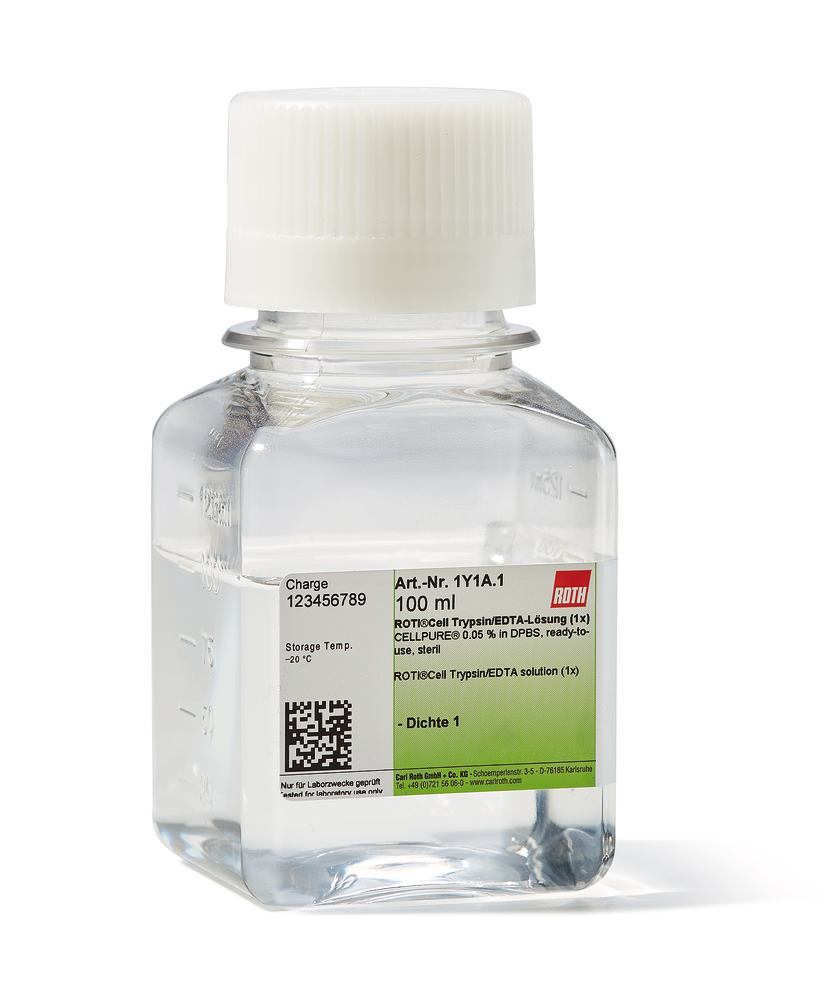
1Y1A.1, Carl Roth

MF Part: 1Y1A.1
MOQ: 1 - 5
£ 16.38
In Stock
more details

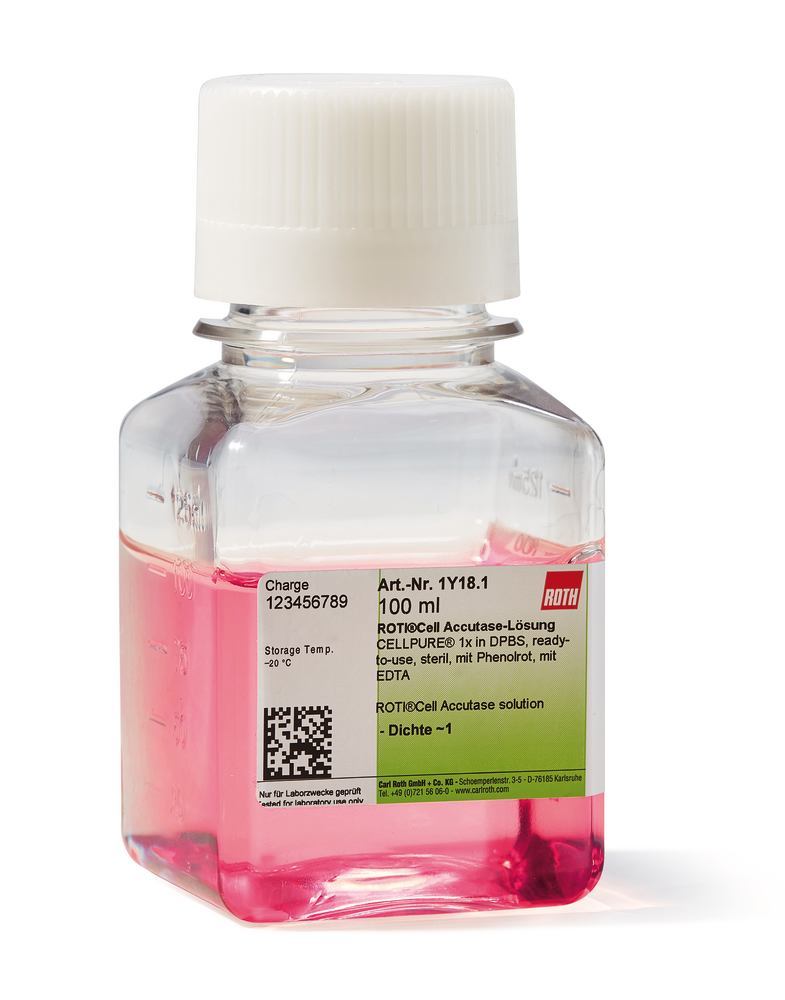
1Y18.1, Carl Roth

MF Part: 1Y18.1
MOQ: 1 - 5
£ 75.38
In Stock
more details

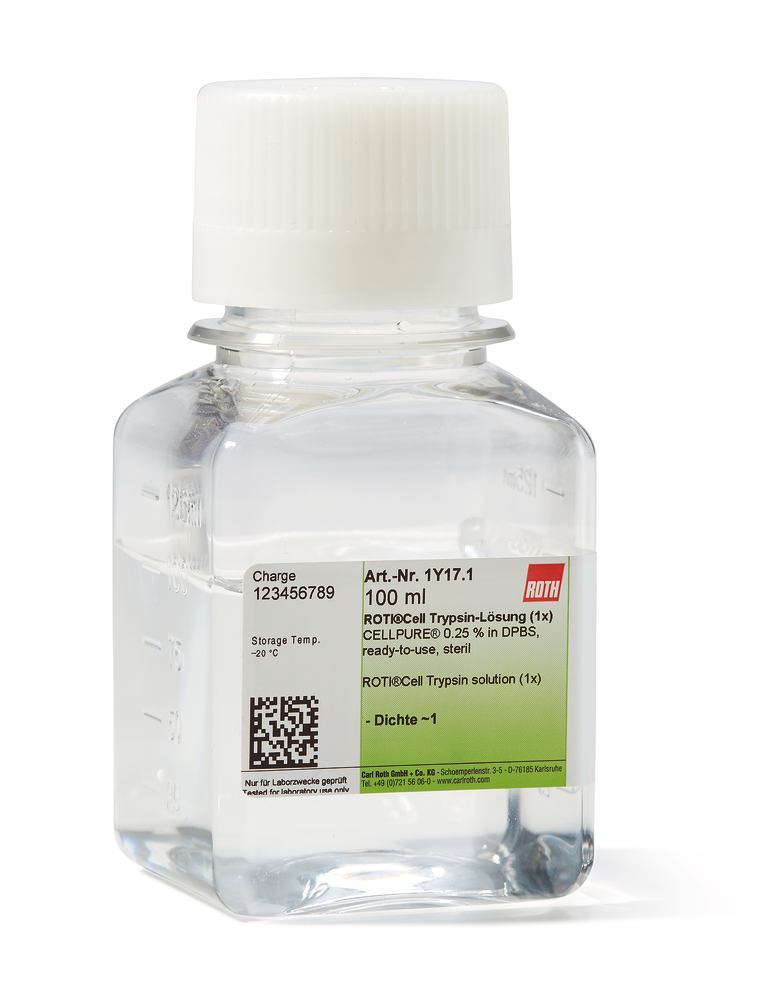
1Y17.1, Carl Roth

MF Part: 1Y17.1
MOQ: 1 - 5
£ 19.26
In Stock
more details

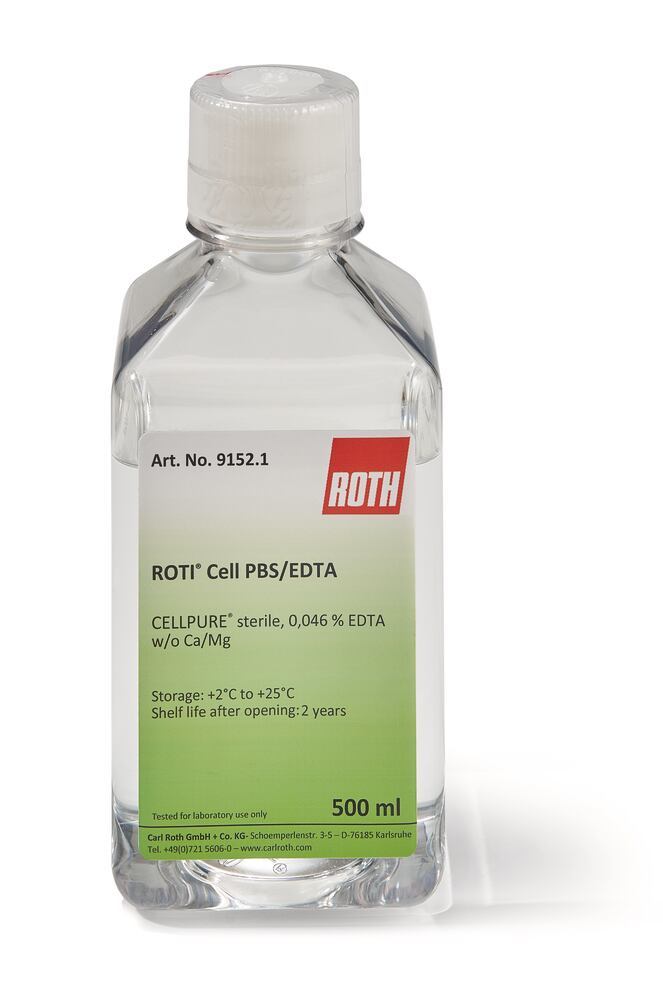
9152.1, Carl Roth

MF Part: 9152.1
MOQ: 1 - 5
£ 34.38
In Stock
more details

37326-33-3, Carl Roth

MF Part: 37326-33-3
MOQ: 1 - 5
£ 914.31
In Stock
more details

37326-33-3, Carl Roth

MF Part: 37326-33-3
MOQ: 1 - 5
£ 202.23
In Stock
more details

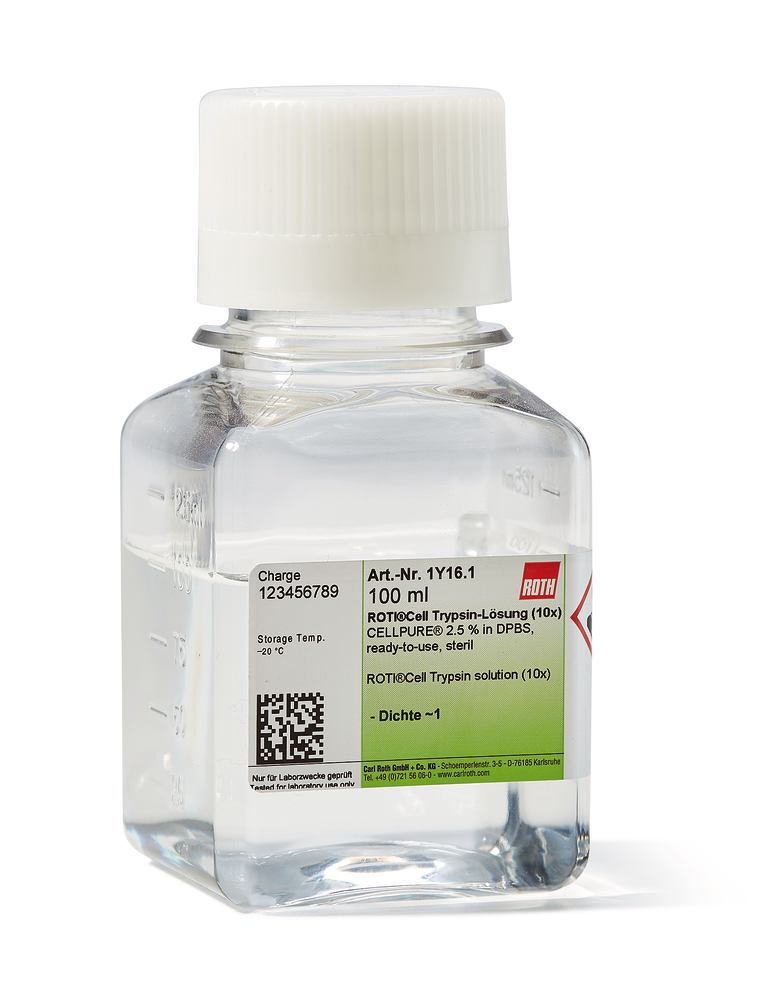
1Y16.1, Carl Roth

MF Part: 1Y16.1
MOQ: 1 - 5
£ 35.73
In Stock
more details

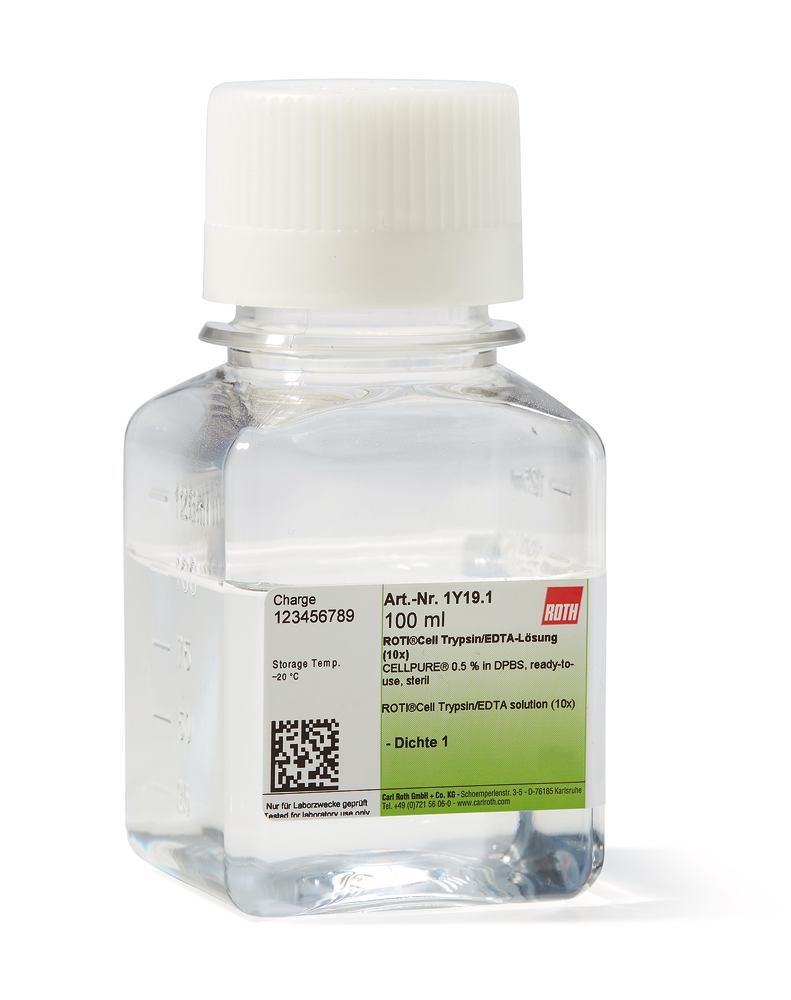
1Y19.1, Carl Roth

MF Part: 1Y19.1
MOQ: 1 - 5
£ 35.73
In Stock
more details

New Items
New
37326-33-3, Carl Roth

37326-33-3, Carl Roth

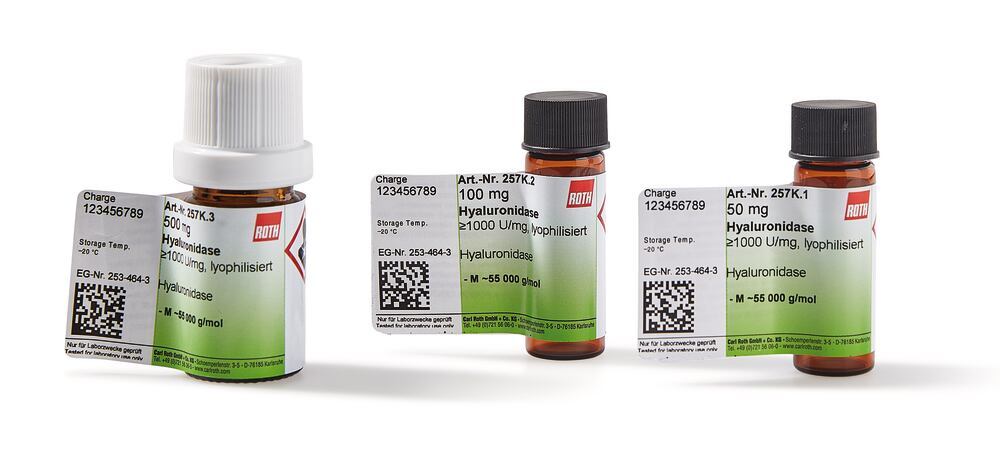
Hyaluronidase randomly cleaves endo-N-acetlyhexosamine bonds into hyaluronic acid, chondroitin and chondroitin sulphates. As hyaluronic acid and chondroitin sulphate are frequently found in connective tissue, hyaluronidase in combination with collagenase, is usually used for cell dissociation. The enzymes break down the extracellular matrix, which leads to the separation of cells from animal tissue or culture surfaces. Hyaluronidase ~4000 U/mg, lyophilized Not a medical device / Not an IVD product

Product Detail
New
1Y1A.1, Carl Roth

1Y1A.1, Carl Roth

Sterile Trypsin is a protein-cleaving digestive enzyme of the pancreas belonging to the serine proteases, which cleaves lysine and arginine at the C-terminus. Trypsin solutions are used for the separation of cells from tissue or cell monolayers. Thus, they are essential for routine applications in cell culture passaging, for cell culture experiments to obtain an adequate number of cells or for dissociation of primary tissue. As an alternative to Trypsin, the morecell-protective solution ROTI ® Cell Accutase solution can be used, which is free of mammalian components. ROTI ® Cell Trypsin/EDTA solution (1x) CELLPURE ® 0.05 % in DPBS, ready-to-use, sterile This trypsin solution contains EDTA. EDTA is a chelating agent and enhances the ability of trypsin to detach adherent cells. EDTA binds calcium and magnesium, which additionally weakens cell contacts. This favors the hydrolysis of specific peptide bonds by trypsin. The required trypsin concentration depends primarily on the cell type and the age of the cell culture. For orientation, you will find a complete protocol in the technical info brochure. After cell dissociation, trypsin should be inhibited. This can be done either by using FCS or trypsin inhibitors.

Product Detail
New
1Y18.1, Carl Roth

1Y18.1, Carl Roth

Sterile Accutase is a ready-to-use cell dissociation solution of proteolytic and collagenolytic enzymes from crustaceans. In addition to detaching cells from culture surfaces, Accutase can also be used to dissociate cell clumps. Due to its gentle properties, Accutase solution is an excellent alternative for trypsin and collagenase applications. Membrane proteins remain intact so that downstream cell experiments or analyses such as FACS can be directly performed. Accutase is a registered brand of Innovative Cell Technologies, Inc. Advantages: Gentle detachment of cells Suitable for sensitive cells Reduced cell stress with maximum recovery Surface proteins remain intact No neutralization step required Without mammalian components Stable at +4 °C for two months If you prefer a stronger but comparable effect for cell aggregates and spheroids, we recommend using ROTI ® Cell Accumax solution (Cat. No.: 232W.1). Accumax contains the same enzymes as Accutase, but at three times the concentration. ROTI ® Cell Accutase solution CELLPURE ® 1x in DPBS, ready-to-use, sterile, with phenol red, with EDTA Sustainability Without mammalian components compared to trypsin

Product Detail
New
1Y17.1, Carl Roth

1Y17.1, Carl Roth

Sterile Trypsin is a protein-cleaving digestive enzyme of the pancreas belonging to the serine proteases, which cleaves lysine and arginine at the C-terminus. Trypsin solutions are used for the separation of cells from tissue or cell monolayers. Thus, they are essential for routine applications in cell culture passaging, for cell culture experiments to obtain an adequate number of cells or for dissociation of primary tissue. As an alternative to Trypsin, the morecell-protective solution ROTI ® Cell Accutase solution can be used, which is free of mammalian components. ROTI ® Cell Trypsin solution (1x) CELLPURE ® 0.25 % in DPBS, ready-to-use, sterile The required trypsin concentration depends primarily on the cell type and the age of the cell culture. For orientation, you will find a complete protocol in the technical info brochure. After cell dissociation, trypsin should be inhibited. This can be done either by using FCS or trypsin inhibitors.

Product Detail
New
9152.1, Carl Roth

9152.1, Carl Roth

Sterile ROTI ® Cell PBS/EDTA CELLPURE ® sterile, 0,046 % EDTA, w/o Ca/Mg EDTA, a chelator of divalent cations, is used combined with trypsin prior to passaging in order to solubilize adherent cells from the culture vessel surface into suspension. EDTA binds calcium and magnesium which aid in cell-cell adhesion, additionally allowing trypsin to more efficiently hydrolyze specific peptide bonds. ROTI ® Cell PBS/EDTA may also be used directly without addition of trypsine for very gentle cell dissociation. Not a medical device / Not an IVD product

Product Detail
New
37326-33-3, Carl Roth

37326-33-3, Carl Roth

Hyaluronidase randomly cleaves endo-N-acetlyhexosamine bonds into hyaluronic acid, chondroitin and chondroitin sulphates. As hyaluronic acid and chondroitin sulphate are frequently found in connective tissue, hyaluronidase in combination with collagenase, is usually used for cell dissociation. The enzymes break down the extracellular matrix, which leads to the separation of cells from animal tissue or culture surfaces. Hyaluronidase ~4000 U/mg, lyophilized Not a medical device / Not an IVD product

Product Detail
New
37326-33-3, Carl Roth

37326-33-3, Carl Roth

Hyaluronidase randomly cleaves endo-N-acetlyhexosamine bonds into hyaluronic acid, chondroitin and chondroitin sulphates. As hyaluronic acid and chondroitin sulphate are frequently found in connective tissue, hyaluronidase in combination with collagenase, is usually used for cell dissociation. The enzymes break down the extracellular matrix, which leads to the separation of cells from animal tissue or culture surfaces. Hyaluronidase ~4000 U/mg, lyophilized Not a medical device / Not an IVD product

Product Detail
New
1Y16.1, Carl Roth

1Y16.1, Carl Roth

Sterile Trypsin is a protein-cleaving digestive enzyme of the pancreas belonging to the serine proteases, which cleaves lysine and arginine at the C-terminus. Trypsin solutions are used for the separation of cells from tissue or cell monolayers. Thus, they are essential for routine applications in cell culture passaging, for cell culture experiments to obtain an adequate number of cells or for dissociation of primary tissue. As an alternative to Trypsin, the morecell-protective solution ROTI ® Cell Accutase solution can be used, which is free of mammalian components. ROTI ® Cell Trypsin solution (10x) CELLPURE ® 2.5 % in DPBS, ready-to-use, sterile The required trypsin concentration depends primarily on the cell type and the age of the cell culture. For orientation, you will find a complete protocol in the technical info brochure. After cell dissociation, trypsin should be inhibited. This can be done either by using FCS or trypsin inhibitors.

Product Detail
New
1Y19.1, Carl Roth

1Y19.1, Carl Roth

Sterile Trypsin is a protein-cleaving digestive enzyme of the pancreas belonging to the serine proteases, which cleaves lysine and arginine at the C-terminus. Trypsin solutions are used for the separation of cells from tissue or cell monolayers. Thus, they are essential for routine applications in cell culture passaging, for cell culture experiments to obtain an adequate number of cells or for dissociation of primary tissue. As an alternative to Trypsin, the morecell-protective solution ROTI ® Cell Accutase solution can be used, which is free of mammalian components. ROTI ® Cell Trypsin/EDTA solution (10x) CELLPURE ® 0.5 % in DPBS, ready-to-use, sterile This trypsin solution contains EDTA (0.22%). EDTA is a chelating agent and enhances the ability of trypsin to detach adherent cells. EDTA binds calcium and magnesium, which additionally weakens cell contacts. This favors the hydrolysis of specific peptide bonds by trypsin. The required trypsin concentration depends primarily on the cell type and the age of the cell culture. For orientation, you will find a complete protocol in the technical info brochure. After cell dissociation, trypsin should be inhibited. This can be done either by using FCS or trypsin inhibitors.

Product Detail
allied chemi
  • secure-payment
  • visa
  • american-express
  • master-card

© 2023 Copyright. All Rights Reserved. Unit 19, Euroway House, Roydsdale Way, Bradford, BD4 6SE, UK