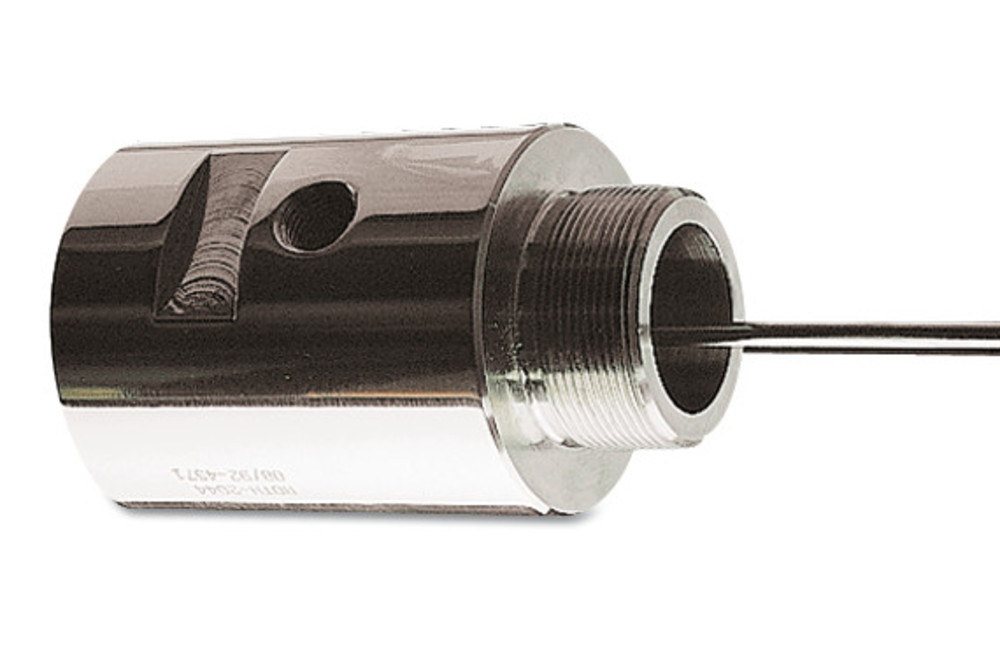


High-Pressure Autoclaves
High-pressure autoclaves are specialized reaction systems designed to operate safely and efficiently in environments requiring elevated pressure and temperature. Widely used in chemical processing, material science, pharmaceutical development, energy research, and industrial testing, these systems enable controlled experimentation and production processes that demand exceptional reliability.
From laboratory-scale experimentation to pilot plant development, they continue to perform a vital role in advancing industrial and scientific progress. Their ability to create controlled reaction environments enables the development of new materials, improved chemical processes, and more efficient manufacturing techniques.
What Benefits Do they Offer to Users?
High-pressure autoclaves provide a secure environment for conducting synthesis, catalyst evaluation, gas-liquid reactions, and process development activities where precise operating parameters are critical.
- Consistent pressure and temperature control.
- Enhanced reaction efficiency.
- Support for high-pressure chemical synthesis.
- Improved process repeatability.
- Secure containment of reactive materials.
- Compatibility with corrosive and aggressive media.
- Long-term durability in demanding environments.
Applications Across Research and Industry
High-pressure autoclaves support a broad range of sectors that require advanced reaction control. Typical applications include:
- Petrochemical and refining operations
- Pharmaceutical formulation and development
- Specialty chemical manufacturing
- Polymer research and testing
- Hydrogenation processes
- Battery and energy storage research
- Environmental and sustainability studies
- Academic and government laboratories
Key Considerations Before Choosing High-Pressure Autoclaves
Selecting the right pressure reactor involves more than simply meeting pressure requirements. Key considerations often include:
- Pressure vessel material selection
- Working pressure range
- Temperature control systems
- Mixing and agitation capabilities
- Automated monitoring solutions
- Data collection and process recording
- Safety relief mechanisms
- Customizable vessel configurations
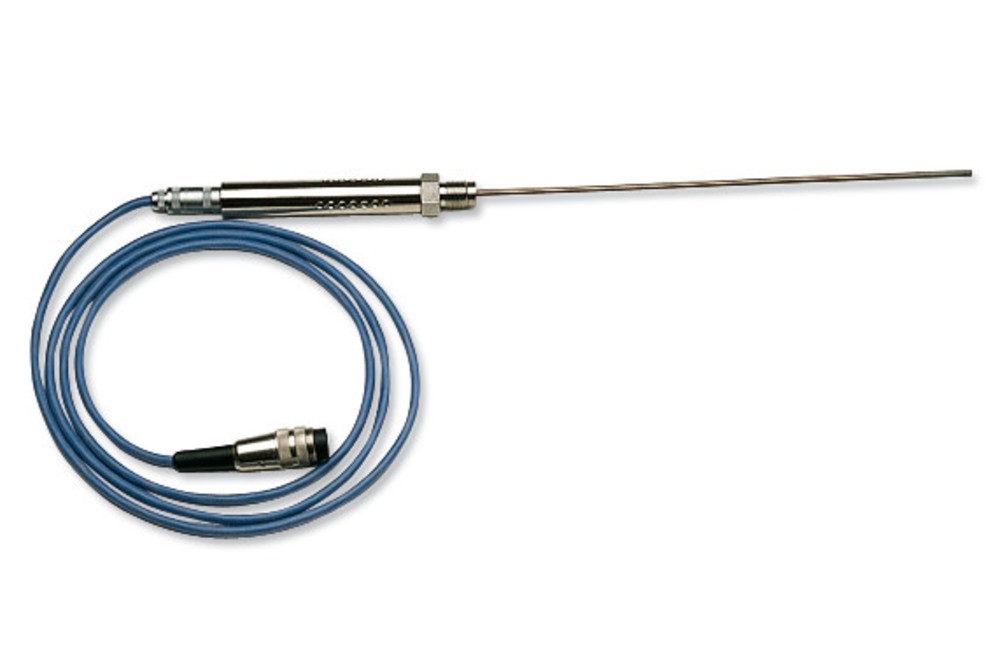
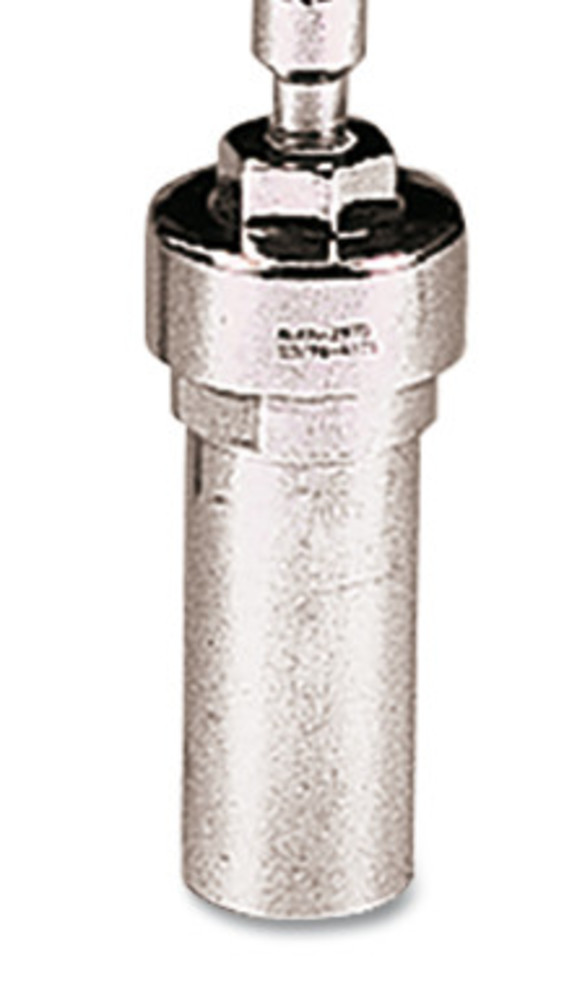
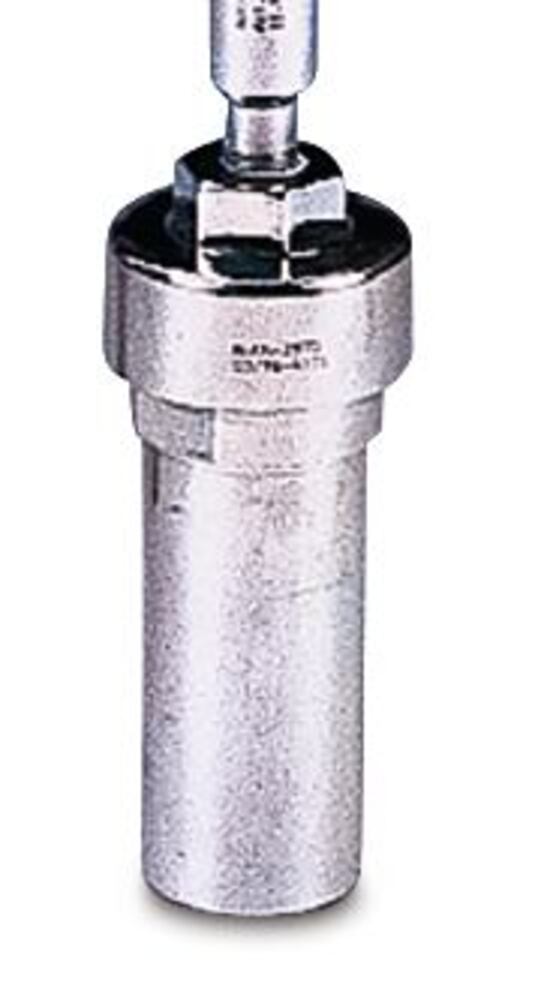
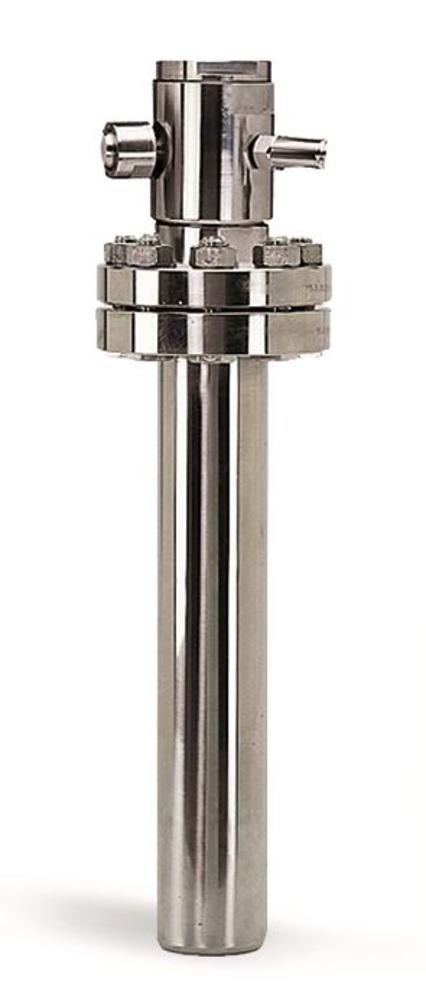
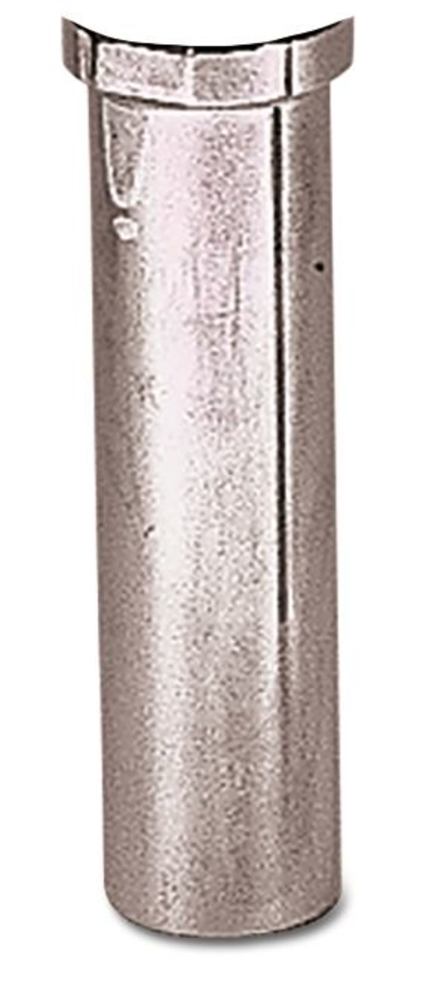
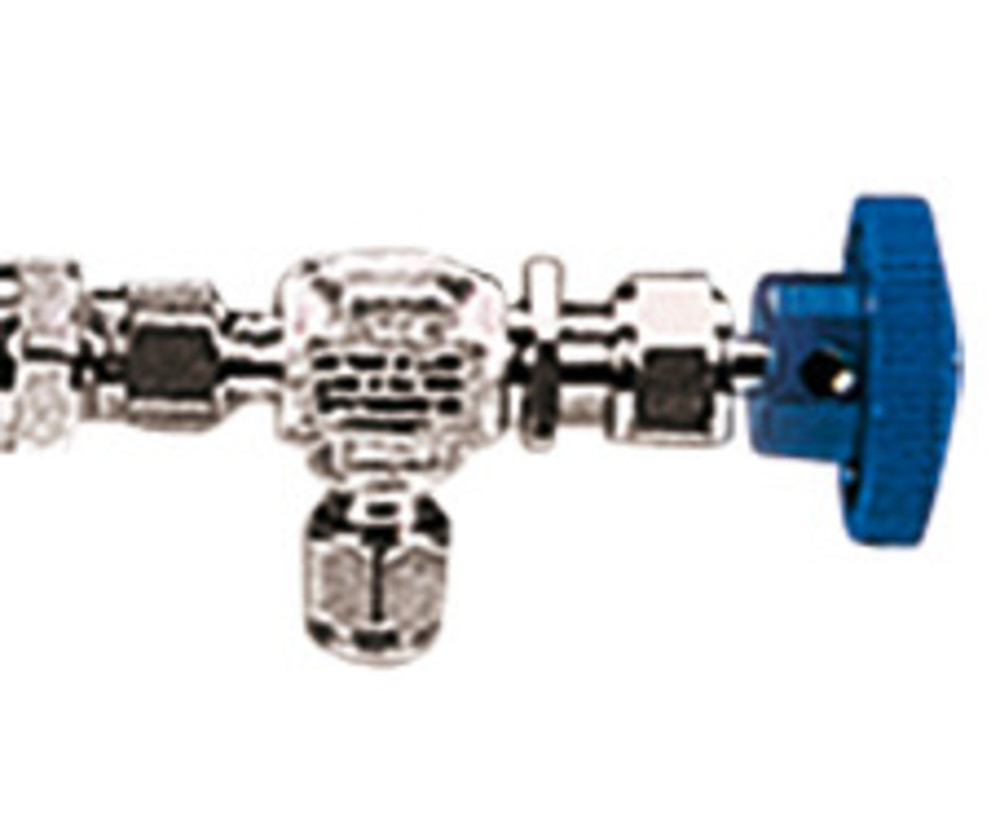
Accessories fine control and check valve / AC100009351
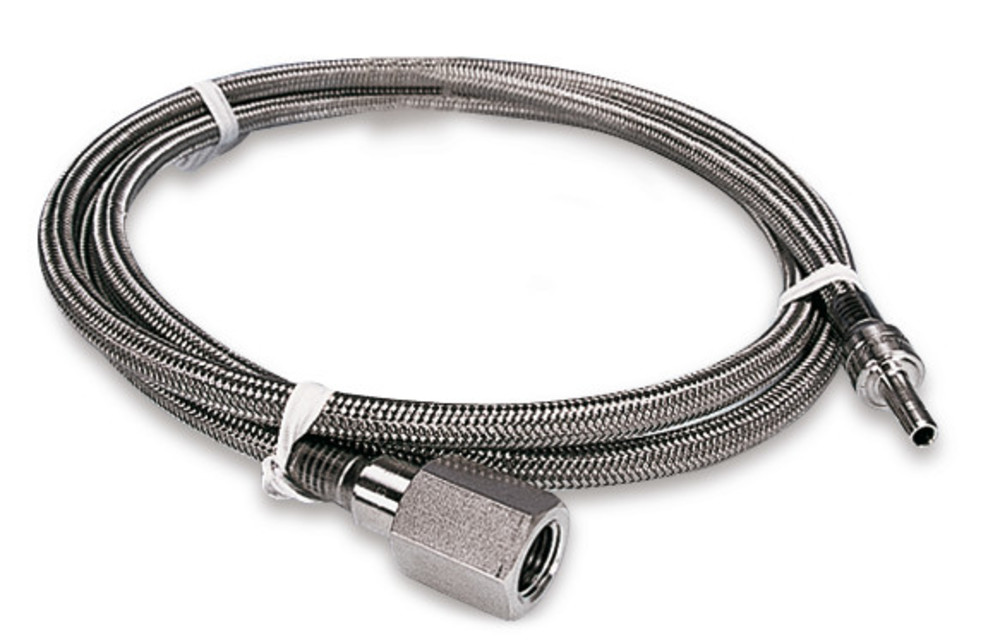
Accessories gas injection PTFE hose with NPT outer thread ¼″ / AC100009578
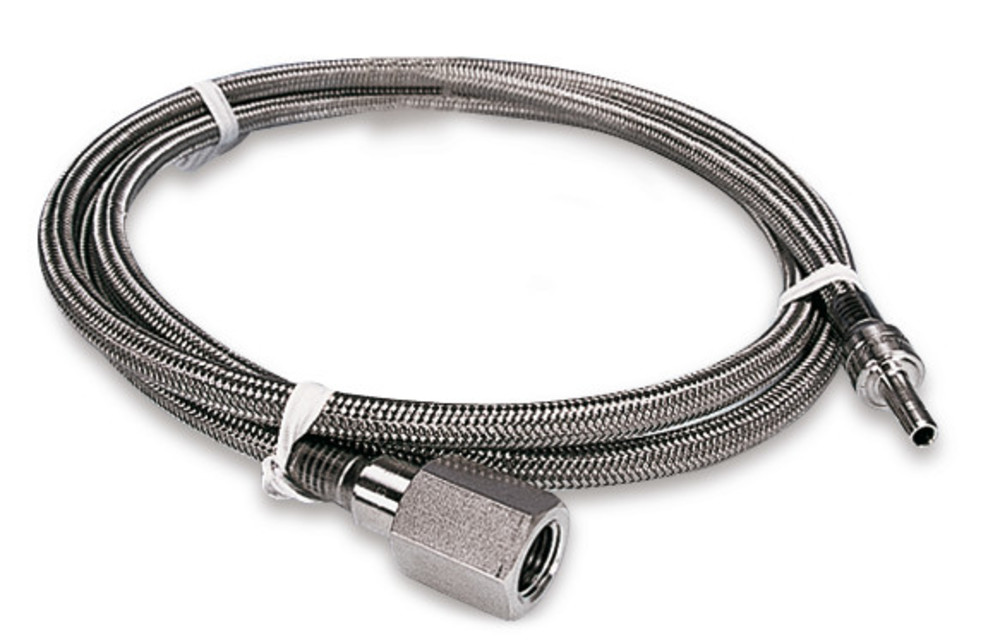
Accessories gas injection PTFE hose with NPT inner thread ¼″ / AC100010297
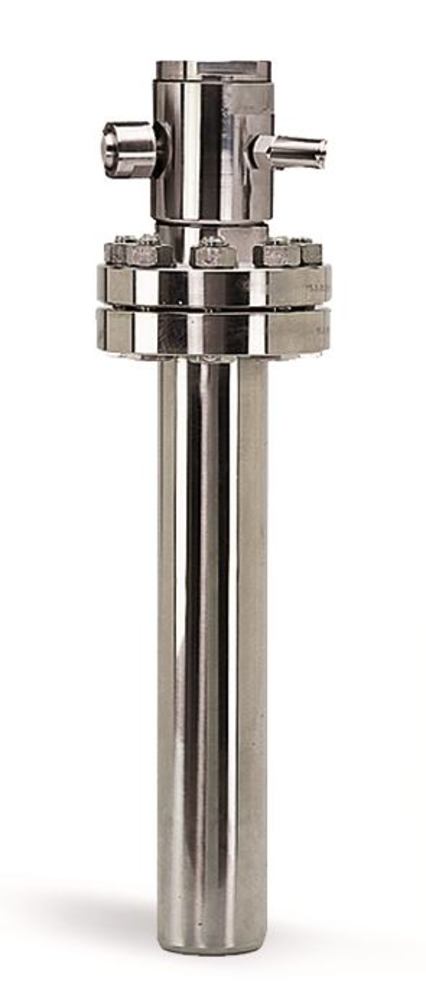
High-pressure laboratory autoclaves model IV Basic equipment / AC100010567

Accessories Bursting disc safety device II Bursting disc safety device / AC100010549
Accessories Reducer for pressure gauge / AC100010677
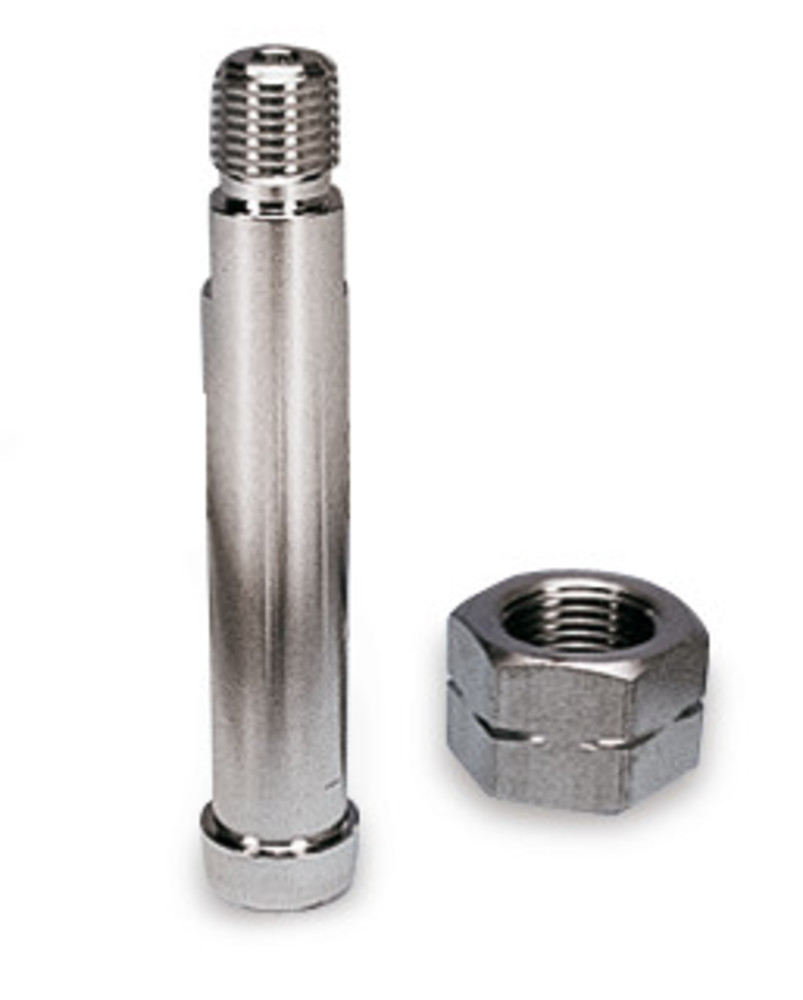
Accessories Thread adapter for fine control and check valve / AC100010605
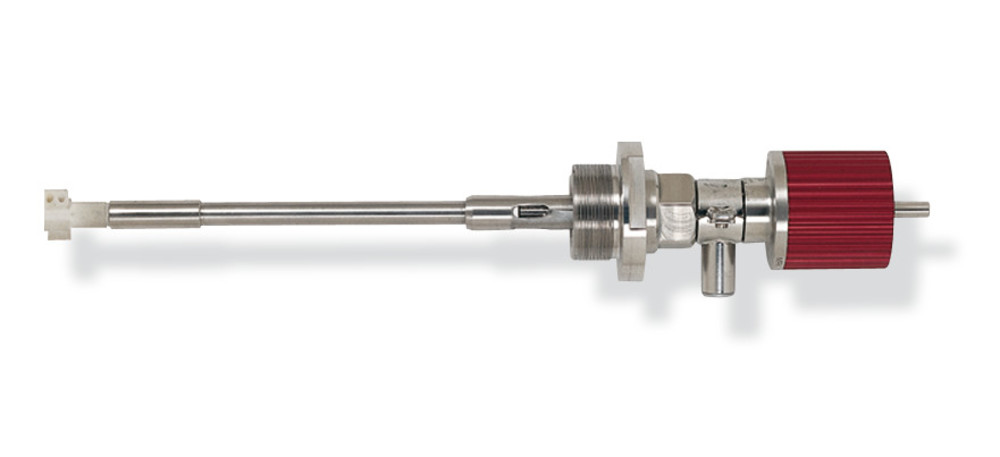
Accessories stirrer head with permanent magnetic coupling, type MRK 10 / AC100010784
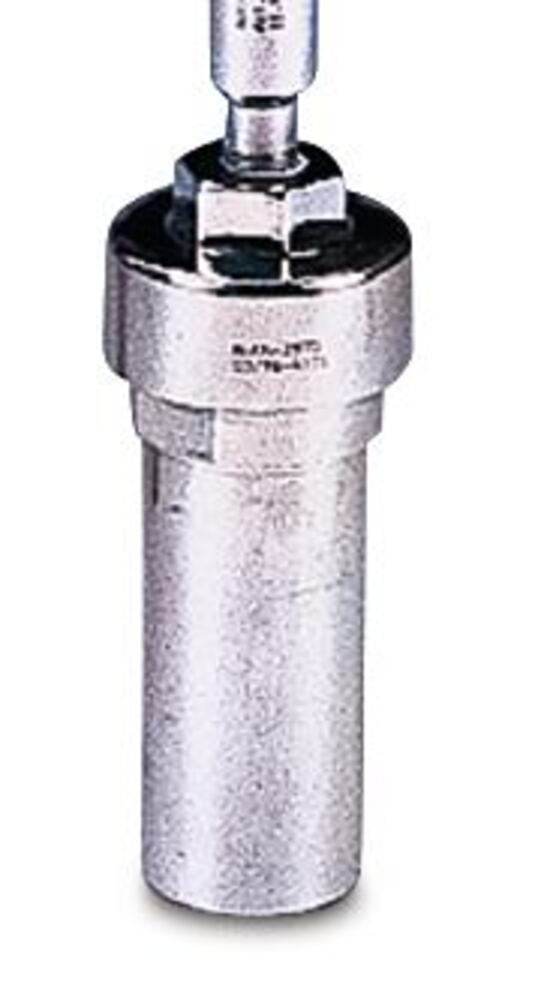
High-pressure laboratory autoclaves model 0 Basic equipment / AC100010903