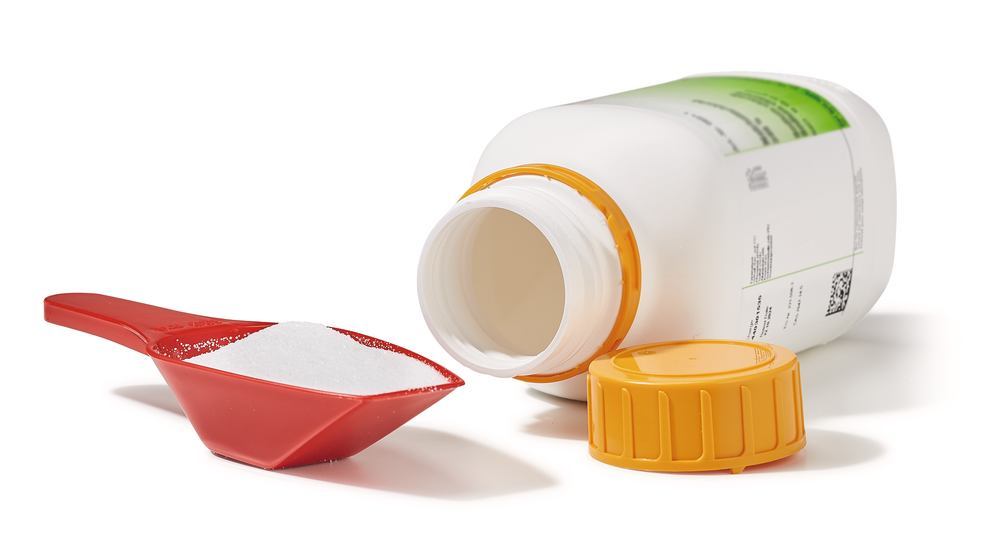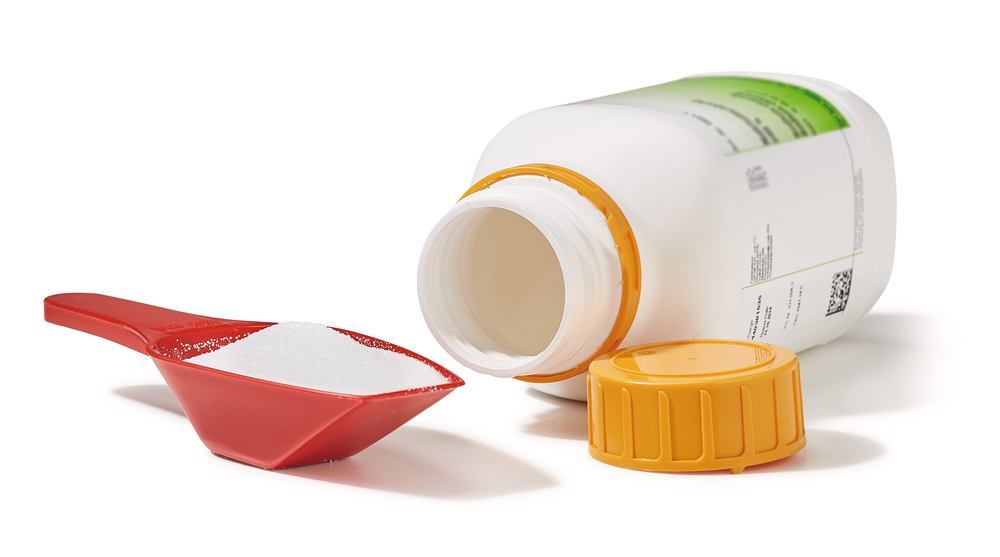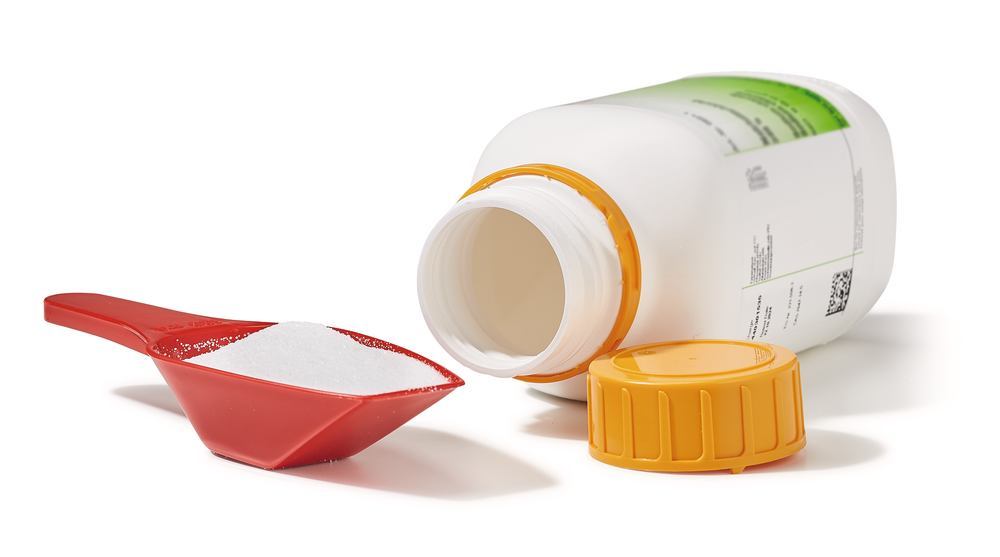
Ammonium acetate ≥97 %, p.a., ACS Carrier for DNA-precipitation. Particularly suitable for removal of nucleotides. Do not use if kinase is used in subsequent assays.
Dextran blue for biochemistry Dextran blue is a soluble polymer compound consisting of dextran from Leucnostoc spp , which is covalently linked to the dye cibacron blue (F3G-A). Due to its high molecular weight, dextran blue is suitable as a molecular mass indicator in chromatography, or as a coprecipitant in DNA isolation. In scientific studies, dextran blue has also been used as a model compound in permeability assays. Furthermore, it has been shown that dextran blue has an antimicrobial effect against some microorganisms, such as Lactobacillus acidophilus . Since dextran blue has an oxidative effect, it can also be used to produce hydroquinone in the presence of other chemicals. Application examples: Calibration of gel filtration columns (empty volume indicator) Co-precipitance in DNA extraction/staining of DNA pellets Preparation of hydroquinone Model compound for permeability assays Directions for use When used as a coprecipitant in DNA isolation: Stock solution: 20 µg/µl dextran blue dissolved in water Working concentration: 1 µl stock solution to 750 µl precipitation reaction (or 20 µg dextran to 1 ng DNA before precipitation) Washing the pellet: With 70 % ethanol Even at higher concentrations used, dextran blue does not interfere with subsequent applications such as restriction digestion, ligation, gel electrophoresis or transformations. Before PCR however, a concentration of 125 g/ml should not be exceeded.
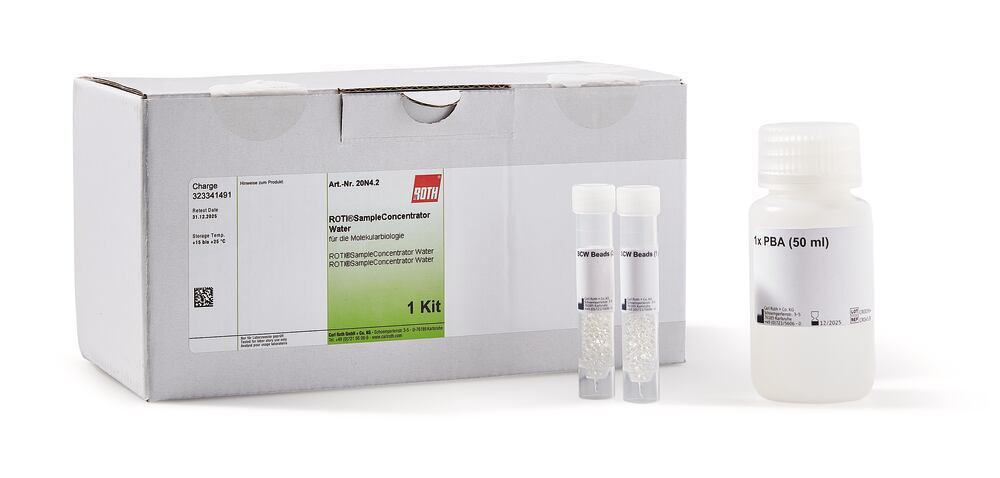
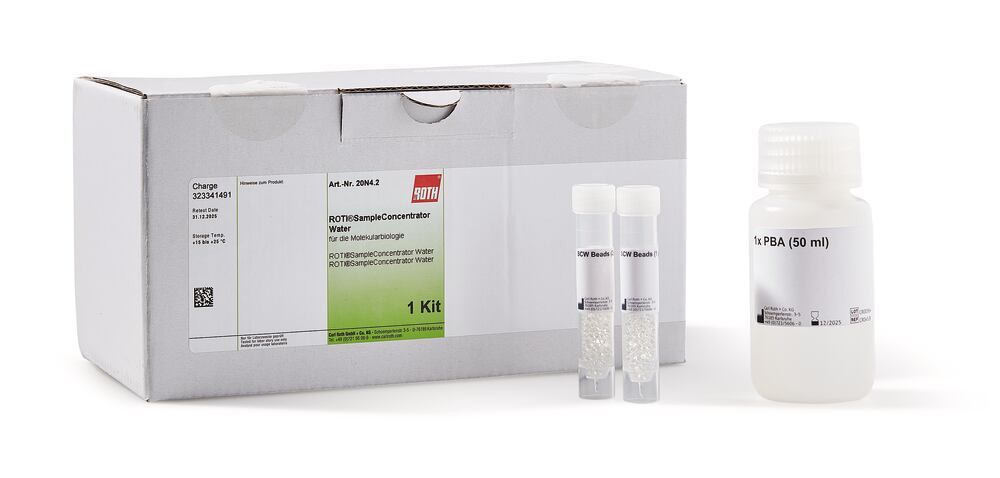
ROTI ® SampleConcentrator Water for molecular biology ROTI ® SampleConcentrator Water was developed to enrich biomolecules such as freely circulating nucleic acids, or microorganisms such as bacteria, algae, protozoa, but also bacteriophages and viruses from water samples. Approximately 1-1000 ml of fresh water of various origins can be used as a source. Concentration is based on a novel technology in which the water contained in the sample is specifically absorbed by means of special SCW beads. The biomolecules and microorganisms in the water sample are thus enriched and made available for subsequent analyses. The sample can then be used directly, without additional filtration, centrifugation or precipitation, for various molecular biological analyses or microbiological cultivation methods. Due to the high degree of concentration the sensitivity of each downstream application is significantly increased. Possible basic material: Waste water Aquarium water Surface water Pool water Drinking water Application examples: Isolation of DNA and RNA Cultivation of microorganisms Flow cytometry Immunological methods (lateral flow test, ELISA) Microscopy and spectroscopy The kit contains: SCW Beads (1 g), SCW Beads (2 g), PBS, detailed instructions Not a medical device / Not an IVD product
Ammonium acetate ≥97 %, p.a., ACS Carrier for DNA-precipitation. Particularly suitable for removal of nucleotides. Do not use if kinase is used in subsequent assays.