

Affinity Chromatography
Affinity chromatography is a widely encountered technique for protein isolation, purification, and biomolecule separation in biotechnology, pharmaceutical development, life sciences research, and diagnostic applications. By leveraging specific biological interactions between target molecules and immobilized ligands, affinity chromatography enables highly selective purification while maintaining protein activity and structural integrity.
Organizations involved in protein research, antibody production, recombinant protein expression, and biomolecular analysis rely on affinity chromatography products to achieve high-purity results with improved process efficiency.
Exceptional Advantages of Affinity Chromatography, Protein Isolation
High protein purity and recovery rates.
Selective binding of target biomolecules.
Reduced processing time compared to conventional methods.
Scalable solutions for laboratory and industrial applications.
Compatibility with automated purification systems.
Applications Across Life Sciences
Affinity chromatography supports a broad range of scientific and industrial processes that require precise protein isolation.
Monoclonal antibody purification
Recombinant protein purification
Enzyme isolation and characterization
Vaccine research and development
Proteomics and biomarker discovery
Cell culture and bioprocessing workflows
Clinical diagnostics and analytical testing
Product Types and Separation Technologies
Modern affinity chromatography systems use specialized chromatography media and resins tailored to different purification requirements. Frequently used solutions include:
Protein A chromatography resins
Protein G affinity media
Nickel affinity chromatography materials
IMAC resins for His-tagged proteins
Antibody purification columns
Magnetic affinity beads
Agarose-based chromatography supports
Prepacked chromatography columns
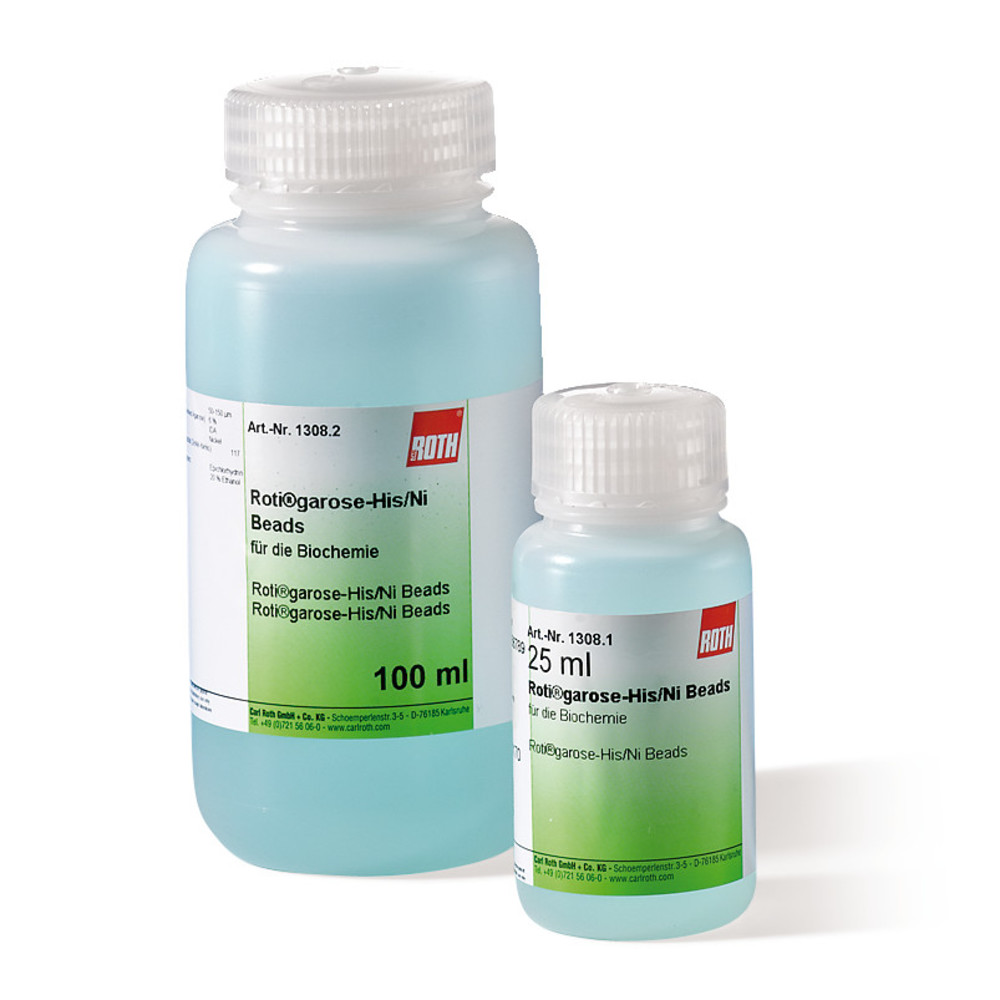
ROTI ® Garose-His/Ni Beads, 100 ml / AC100058369
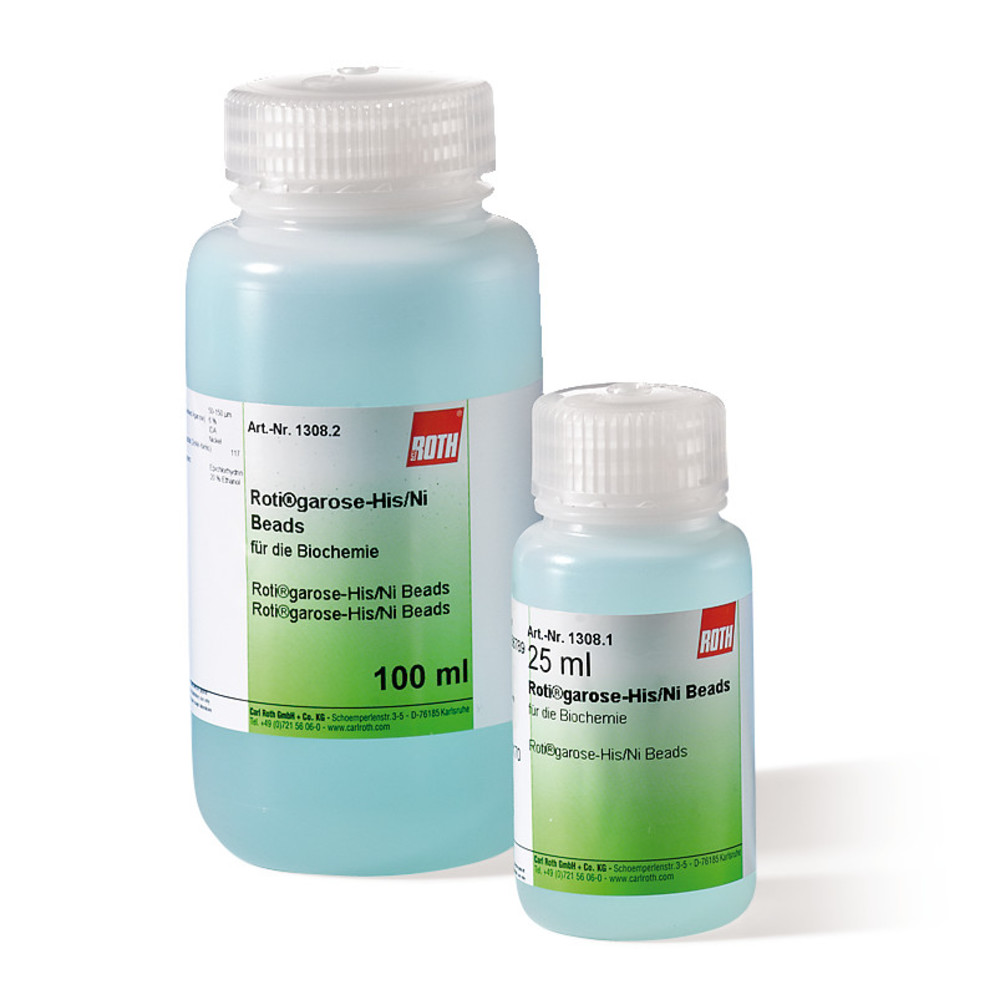
ROTI ® Garose-His/Ni Beads, 25 ml / AC100033151
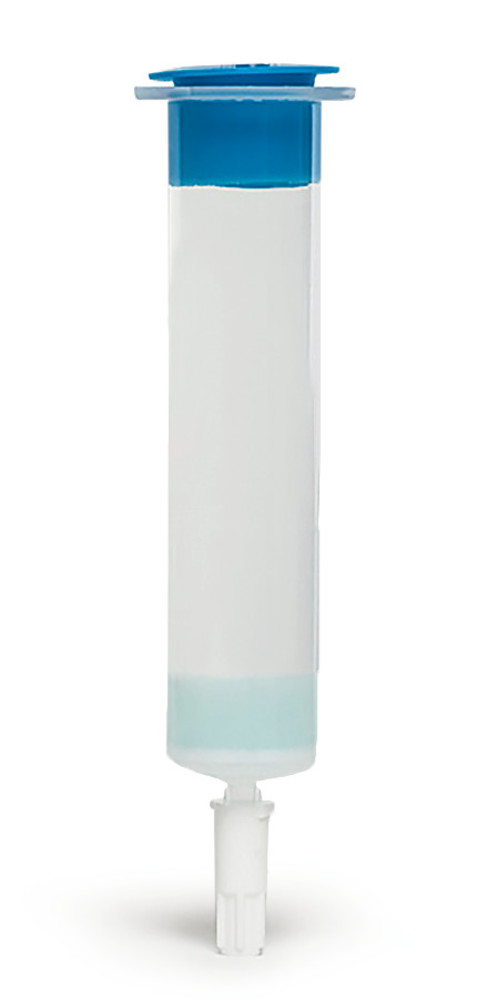
ROTI ® Garose-His/Ni Columns, 5 unit(s), 5 x 5 ml / AC100062902
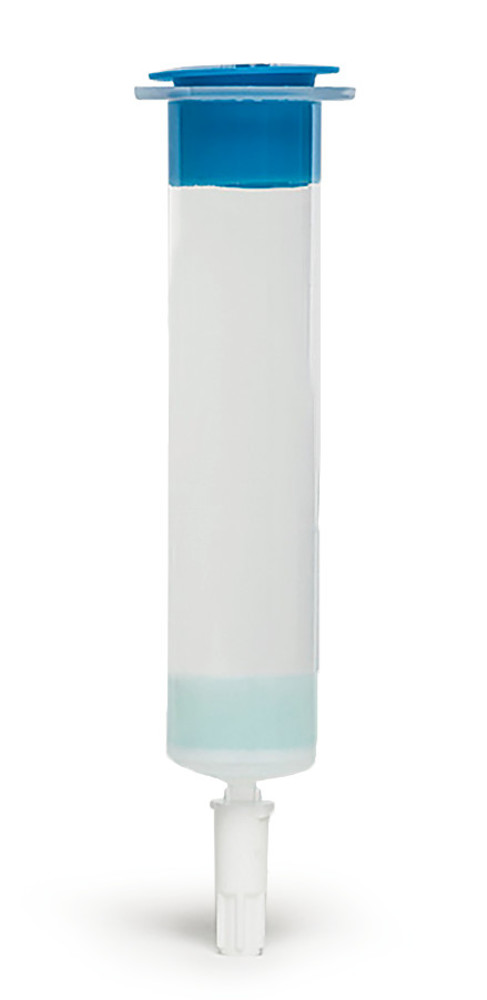
ROTI ® Garose-His/Ni Columns, 8 unit(s), 8 x 1 ml / AC100051451
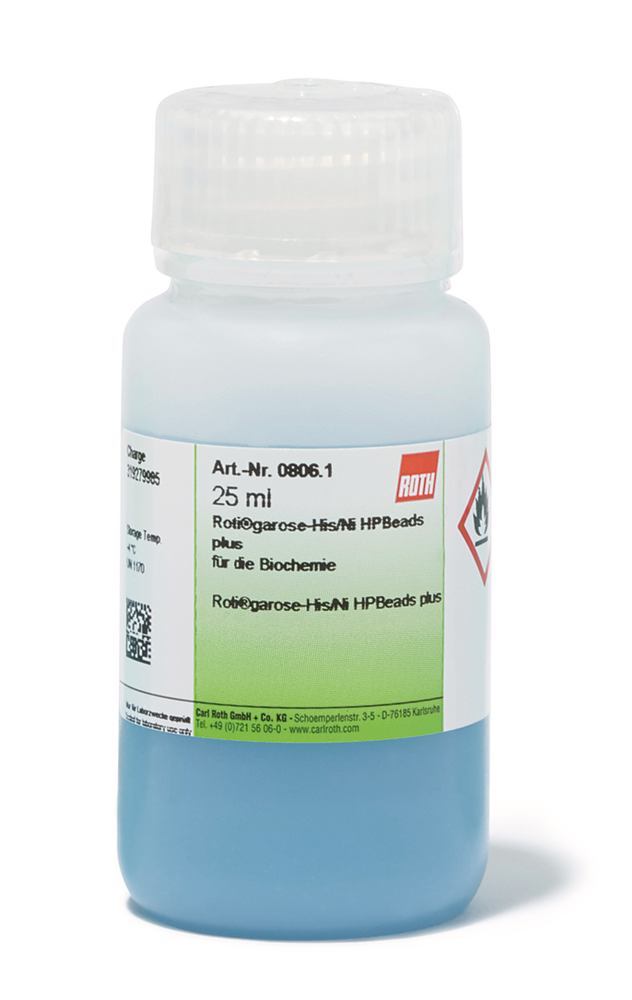
ROTI ® Garose-His/Ni HPBeads plus, 25 ml / AC100062133
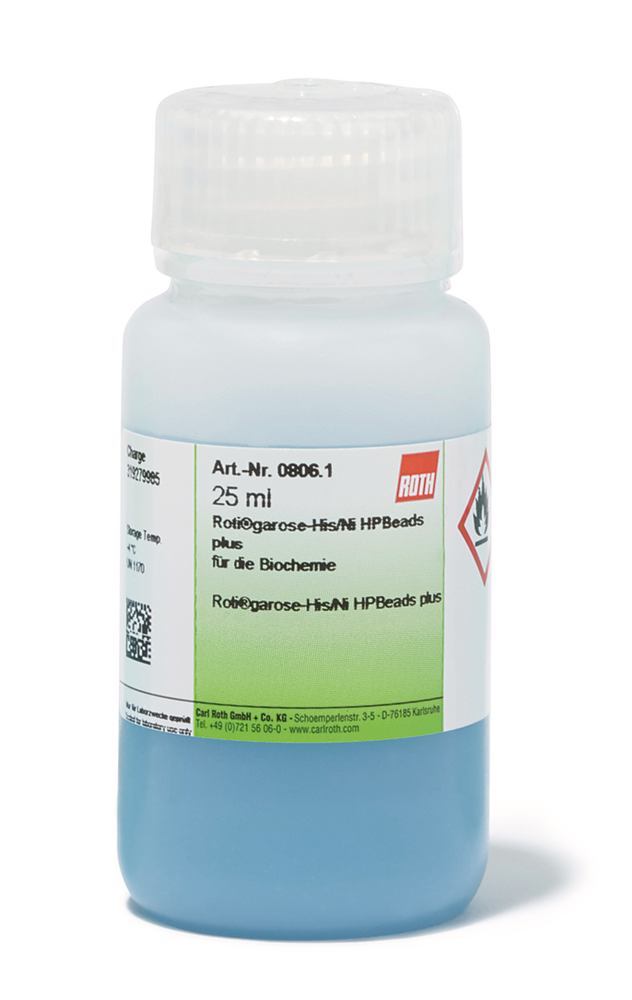
ROTI ® Garose-His/Ni HPBeads plus, 100 ml / AC100063617
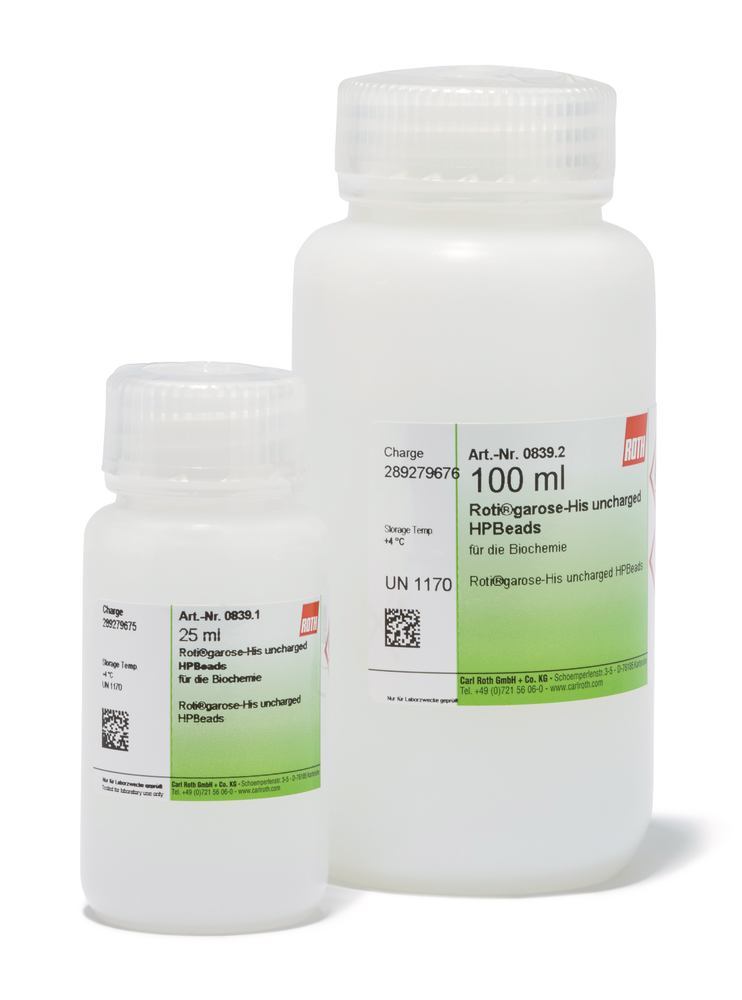
ROTI ® Garose-His uncharged HPBeads, 100 ml / AC100036916
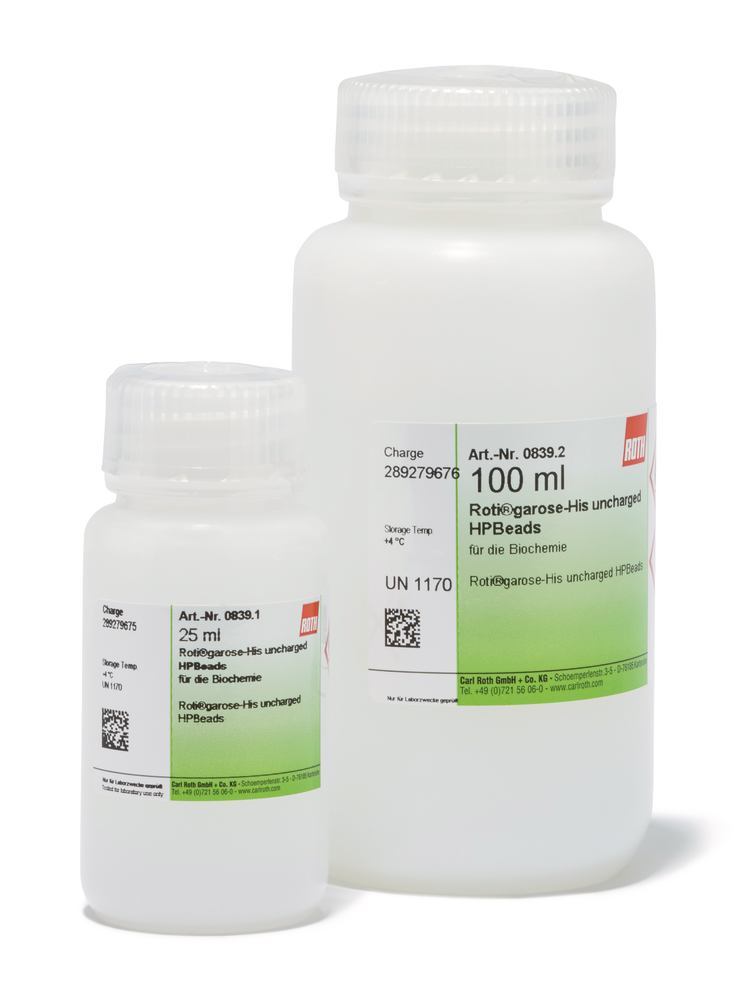
ROTI ® Garose-His uncharged HPBeads, 25 ml / AC100066054
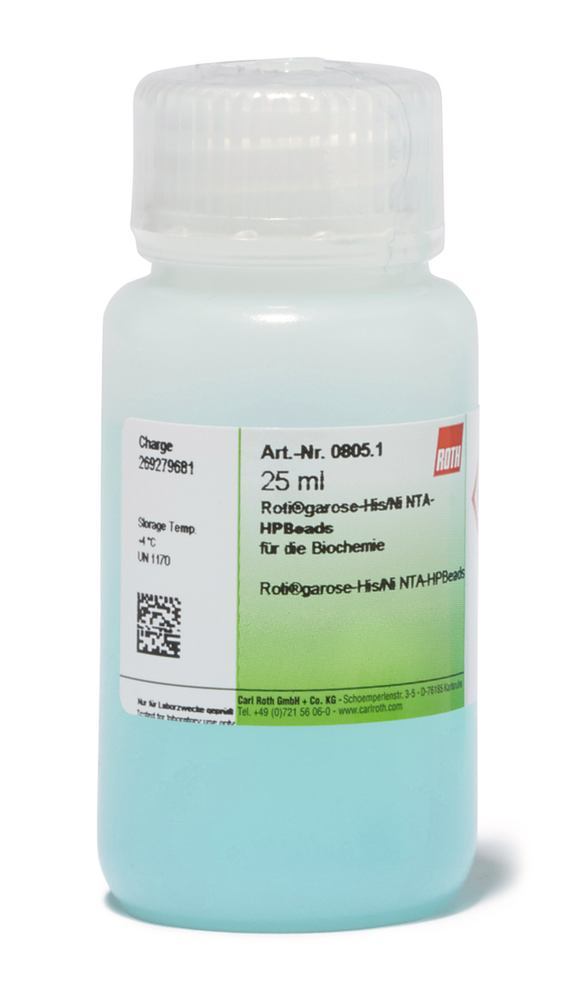
ROTI ® Garose-His/Ni NTA-HPBeads, 25 ml / AC100020398
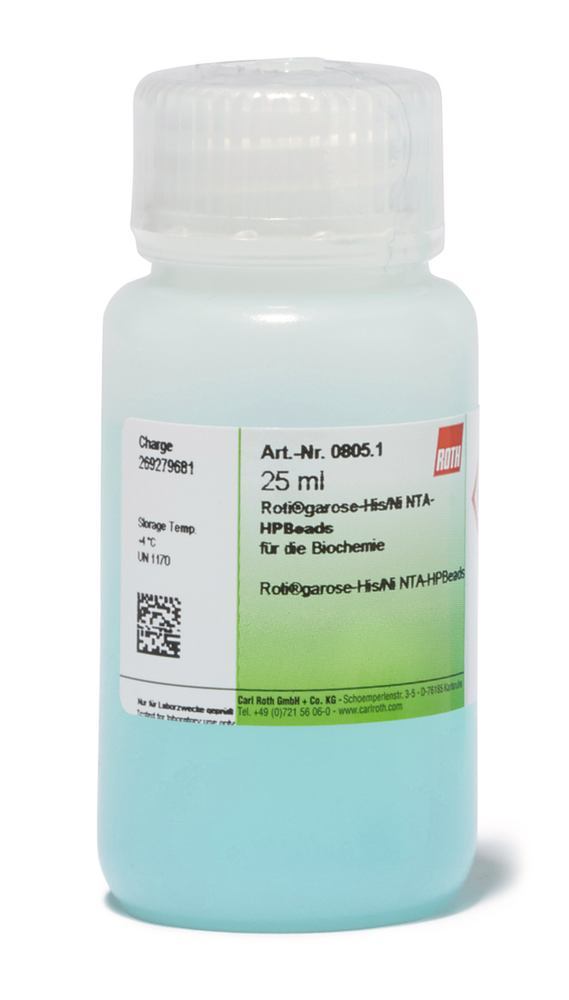
ROTI ® Garose-His/Ni NTA-HPBeads, 100 ml / AC100056153
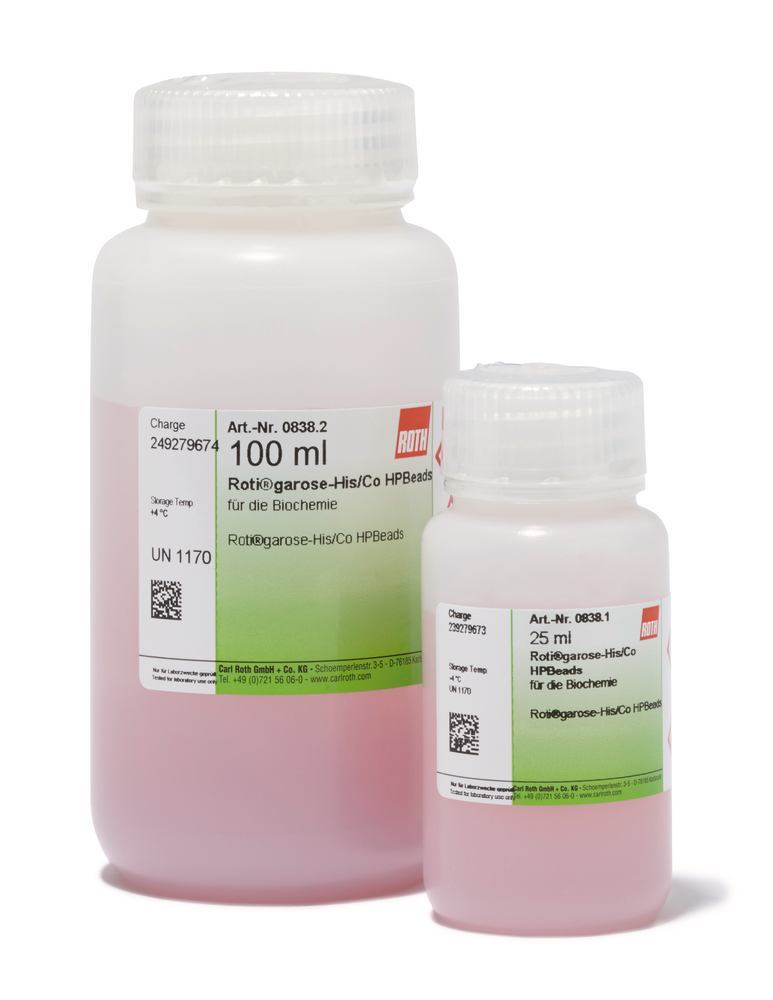
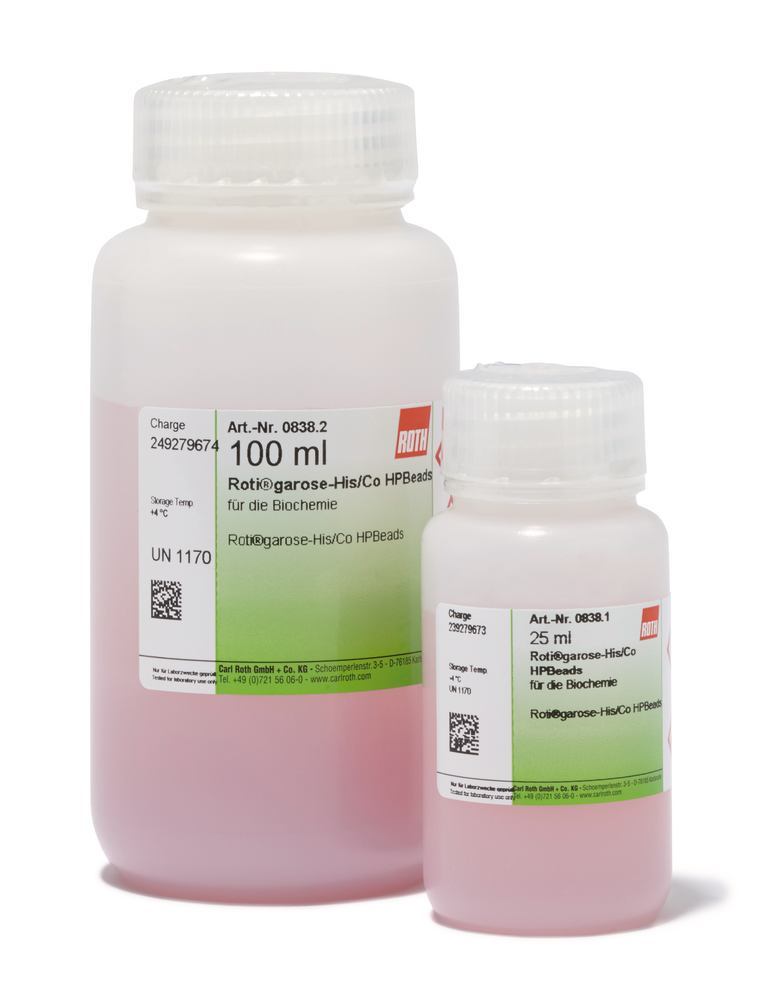
ROTI ® Garose-His/Co HPBeads, 25 ml / AC100041972