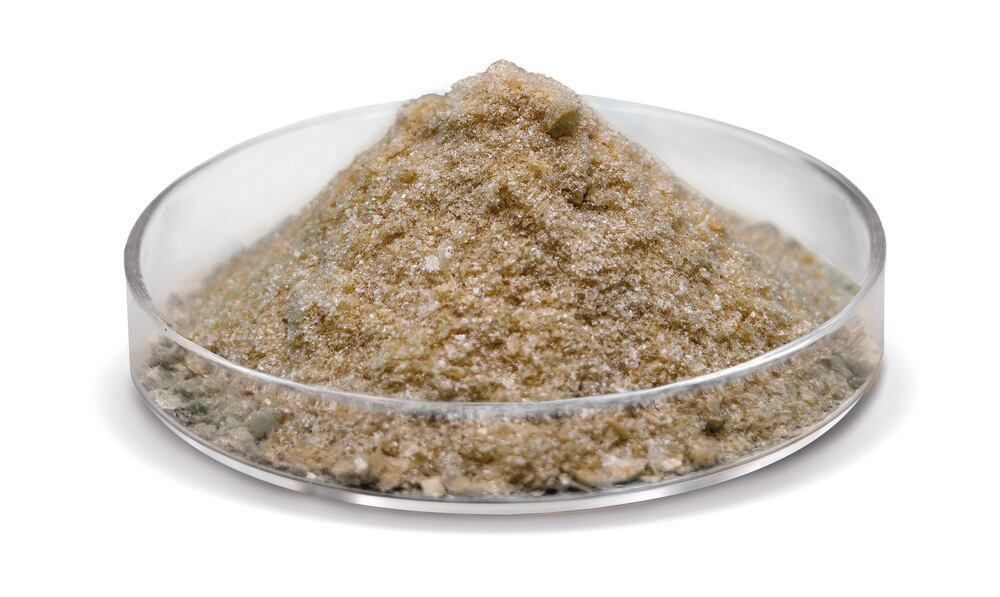


Bioprinting/Tissue Engineering
The ability to build living tissues and organs from the ground up is no longer science fiction; it's an emerging reality powered by the right biomaterials. Our Bioprinting & Tissue Engineering range brings together a carefully selected range of advanced biological materials designed to support researchers, biotech companies, and medical institutions pushing the boundaries of regenerative medicine, drug testing, and personalised healthcare.
Explore Our Bioprinting & Tissue Engineering Line
We supply three core categories of bioprinting materials to support your research from concept to construct:
- Our Extracellular Matrix (ECM) Components form the biological scaffolding that living cells need to attach, proliferate, and organise into functional tissue structures. These biomimetic materials closely replicate the natural microenvironment of human tissues, making them essential for building physiologically relevant 3D tissue models, organ-on-a-chip platforms, and regenerative medicine constructs.
- For researchers working on custom bioink development, our Bioink Precursors and Methacrylated Biopolymers, including methacrylated gelatin (GelMA), hyaluronic acid methacrylate (HAMA), and methacrylated collagen, provide the tuneable mechanical and biological properties needed to design printable hydrogels with precise crosslinking behaviour. These versatile precursors allow scientists to fine-tune bioink properties to match specific tissue types and printing requirements.
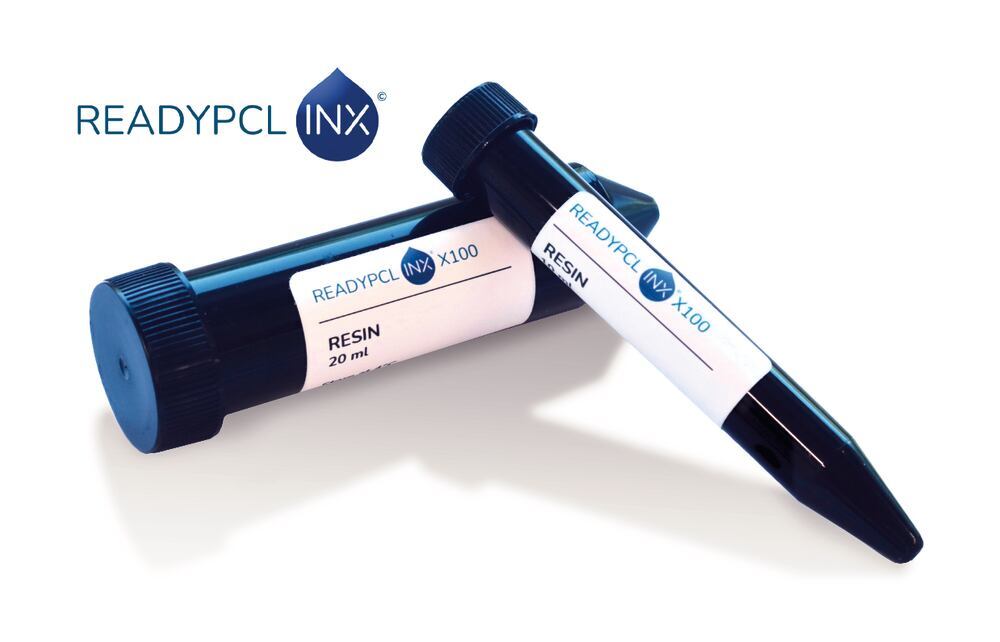
- Our ready-to-use Bioinks are formulated for direct compatibility with extrusion-based, inkjet, and stereolithography (SLA) bioprinters. Designed for consistent printability and high cell viability, these bioinks support a wide range of cell types and tissue engineering applications right out of the box, saving valuable formulation time in the lab.
Unmatched Benefits of Our Bioprinting Materials
- Biomimetic properties: materials closely replicate native tissue environments for physiologically relevant results.
- Tunable formulations: adjust stiffness, viscosity, and crosslinking to match your specific application.
- High cell viability: optimised to support cell health, proliferation, and differentiation throughout the printing process.
- Broad printer compatibility: suitable for most commercially available bioprinting platforms.
- Research-grade quality: consistent lot-to-lot performance for reproducible experimental outcomes.
- Scalable supply: from small R&D quantities to larger production volumes.
Applications Across Regenerative Medicine & Life Sciences
Our bioprinting and tissue engineering materials support a wide spectrum of cutting-edge research and development applications, including:
- 3D tissue model development: creating physiologically accurate tissue constructs for disease modelling and drug testing
- Organ-on-a-chip platforms: developing microfluidic tissue models for pharmaceutical screening
- Regenerative medicine & wound healing: engineering skin, cartilage, and bone tissue substitutes
- Cancer biology research: building 3D tumour models for oncology drug screening
- Stem cell research: providing defined scaffolds for stem cell culture and differentiation studies
- Pharmaceutical R&D: replacing animal models with human-relevant tissue constructs for drug toxicity testing
- Personalised medicine: developing patient-specific tissue constructs for transplantation and therapy

Filters
Clear All
Products Found:
45
Showing Results For:
Bioprinting/Tissue Engineering
Multiple Variants
Multiple Variants
Multiple Variants
Multiple Variants
Multiple Variants
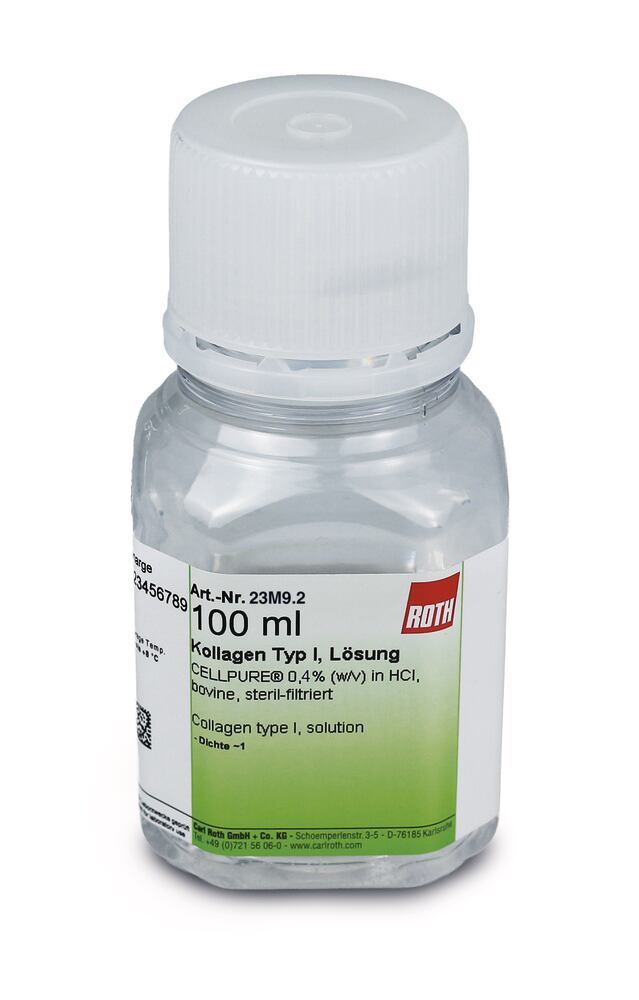
Collagen type I, solution, 100 ml / AC10000061610
MF Part:
23M9.2
MOQ:
1
£ 953.01
In Stock
more details
Multiple Variants
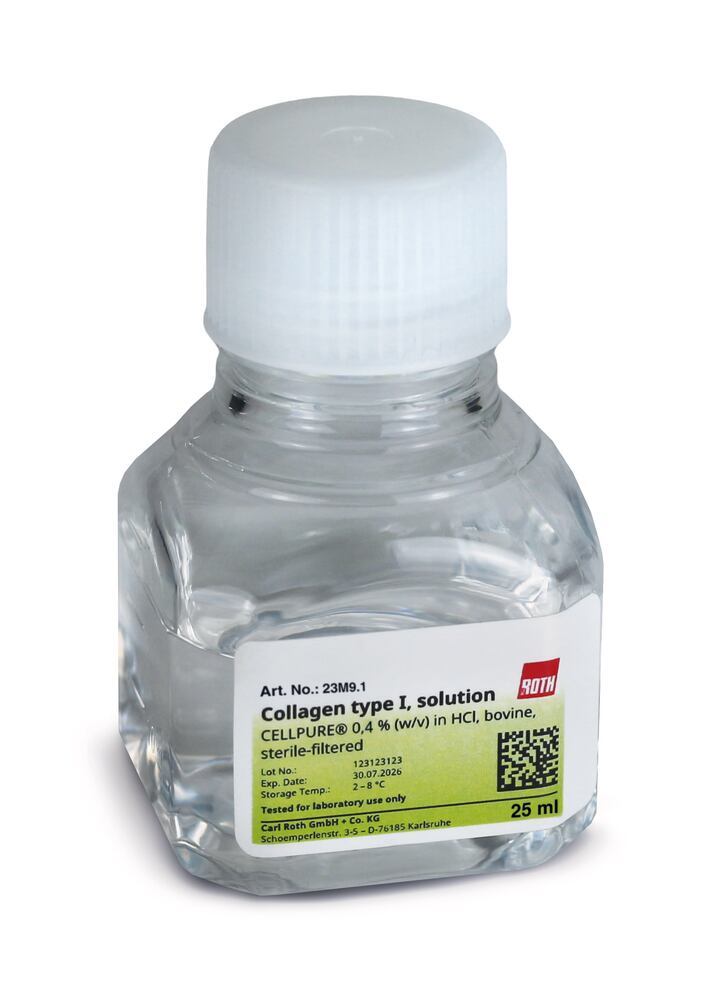
Collagen type I, solution, 25 ml / AC10000061609
MF Part:
23M9.1
MOQ:
1
£ 384.28
In Stock
more details
Multiple Variants
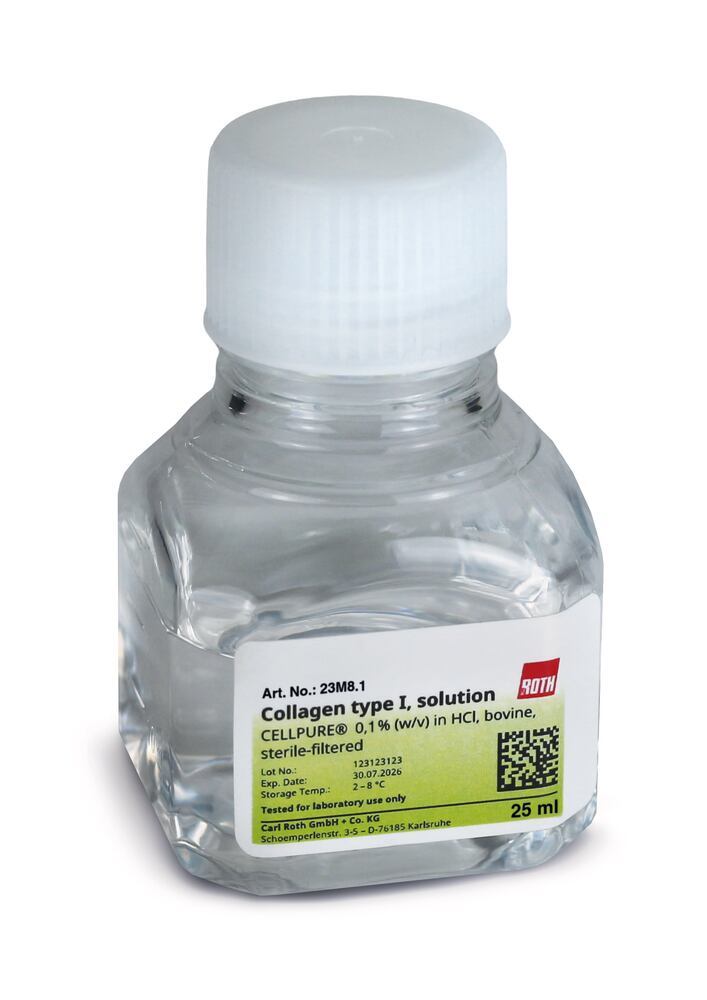
Collagen type I, solution, 25 ml / AC10000059407
MF Part:
23M8.1
MOQ:
1
£ 365.64
In Stock
more details
Multiple Variants
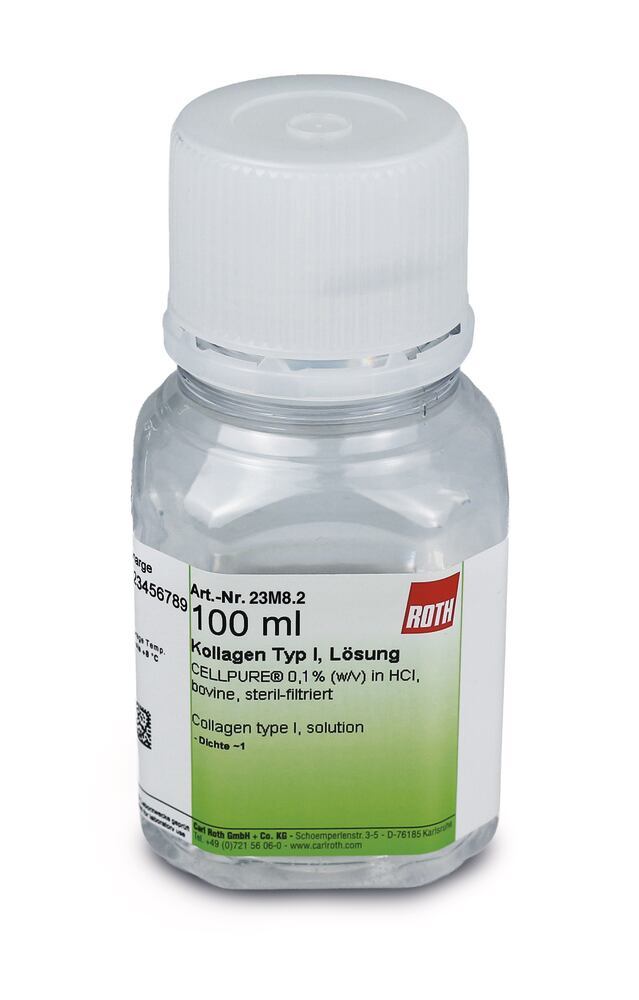
Collagen type I, solution, 100 ml / AC10000059408
MF Part:
23M8.2
MOQ:
1
£ 876.15
In Stock
more details
Multiple Variants
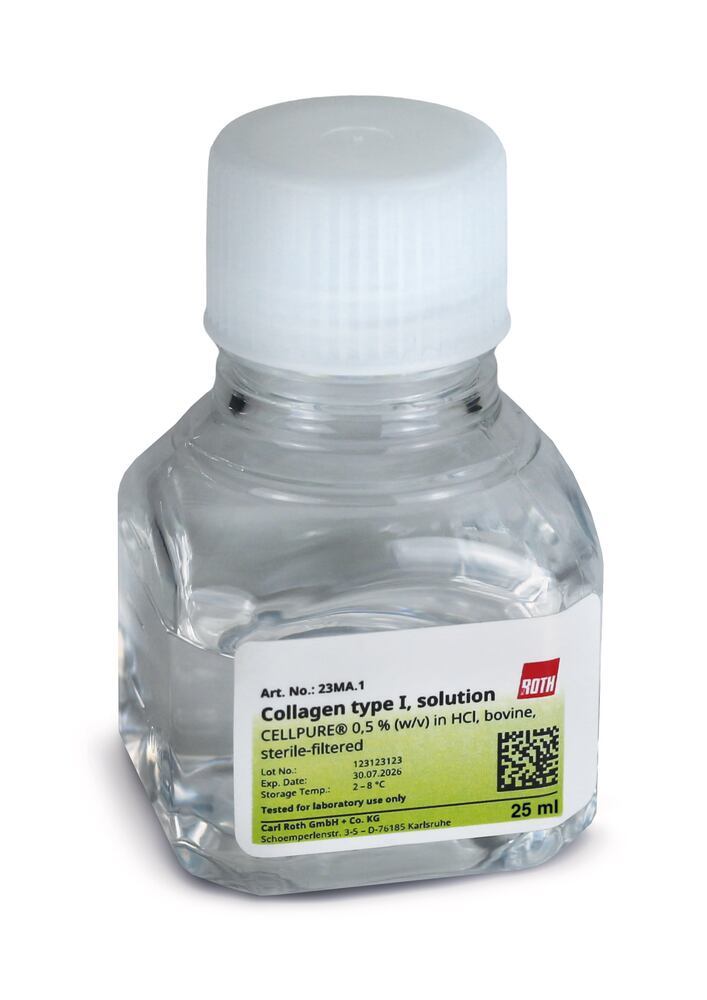
Collagen type I, solution, 25 ml / AC10000058825
MF Part:
23MA.1
MOQ:
1
£ 354.61
In Stock
more details
Multiple Variants
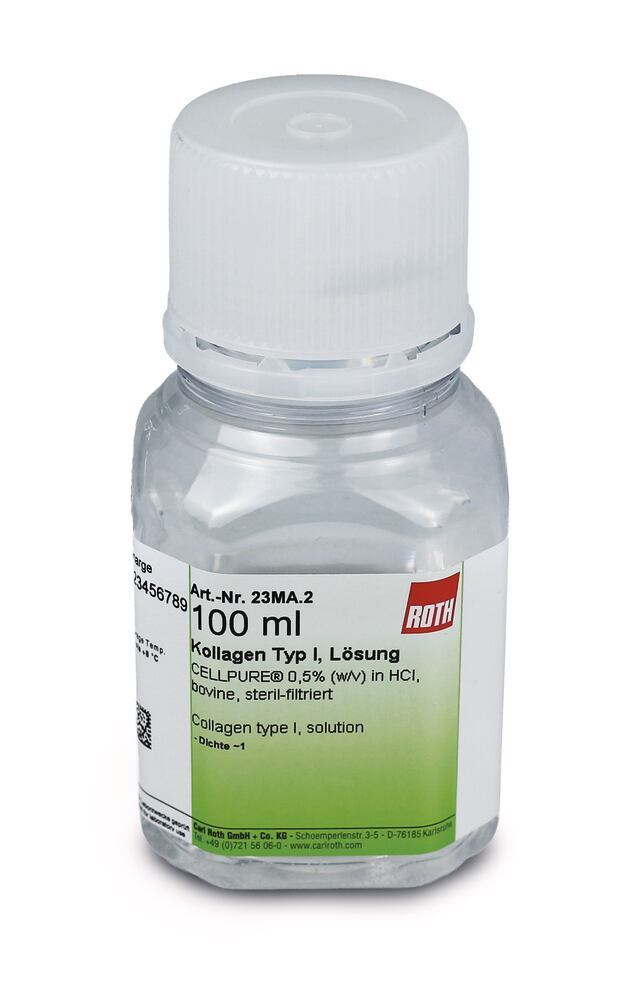
Collagen type I, solution, 100 ml / AC10000058826
MF Part:
23MA.2
MOQ:
1
£ 920.17
In Stock
more details
Multiple Variants
Multiple Variants